
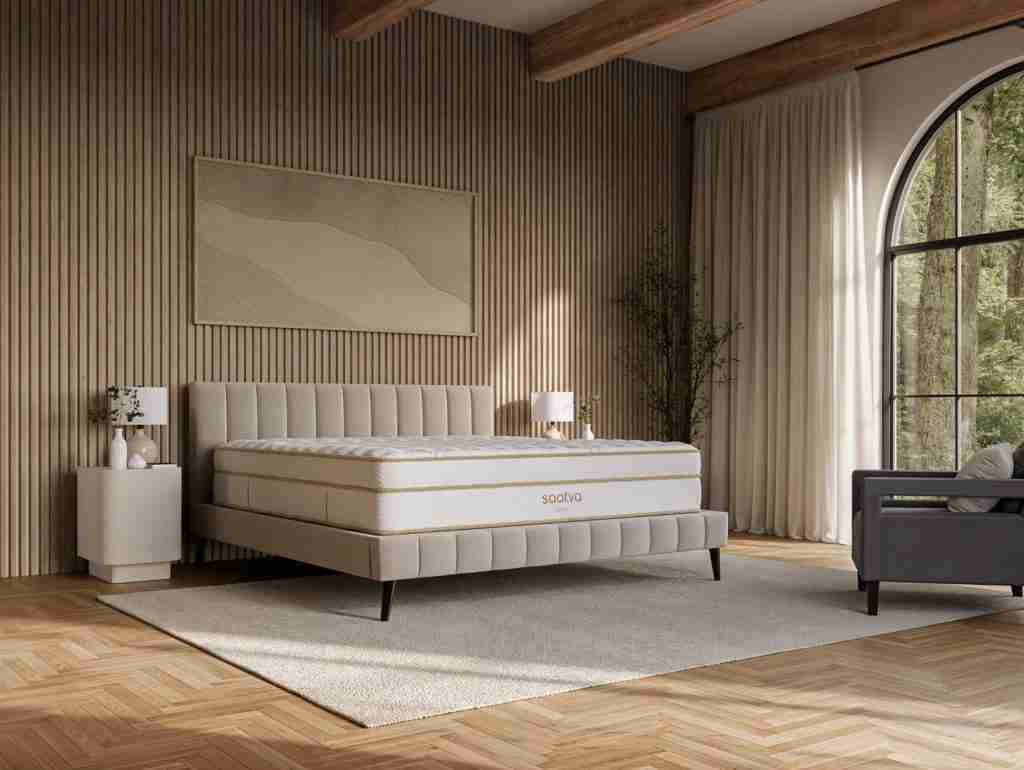
Our bestselling, award-winning & customizable mattress
Saatva Classic Mattress
1449 Twin – Split Cal King
Designer Dialogues
Peter Dunham
Designer Details
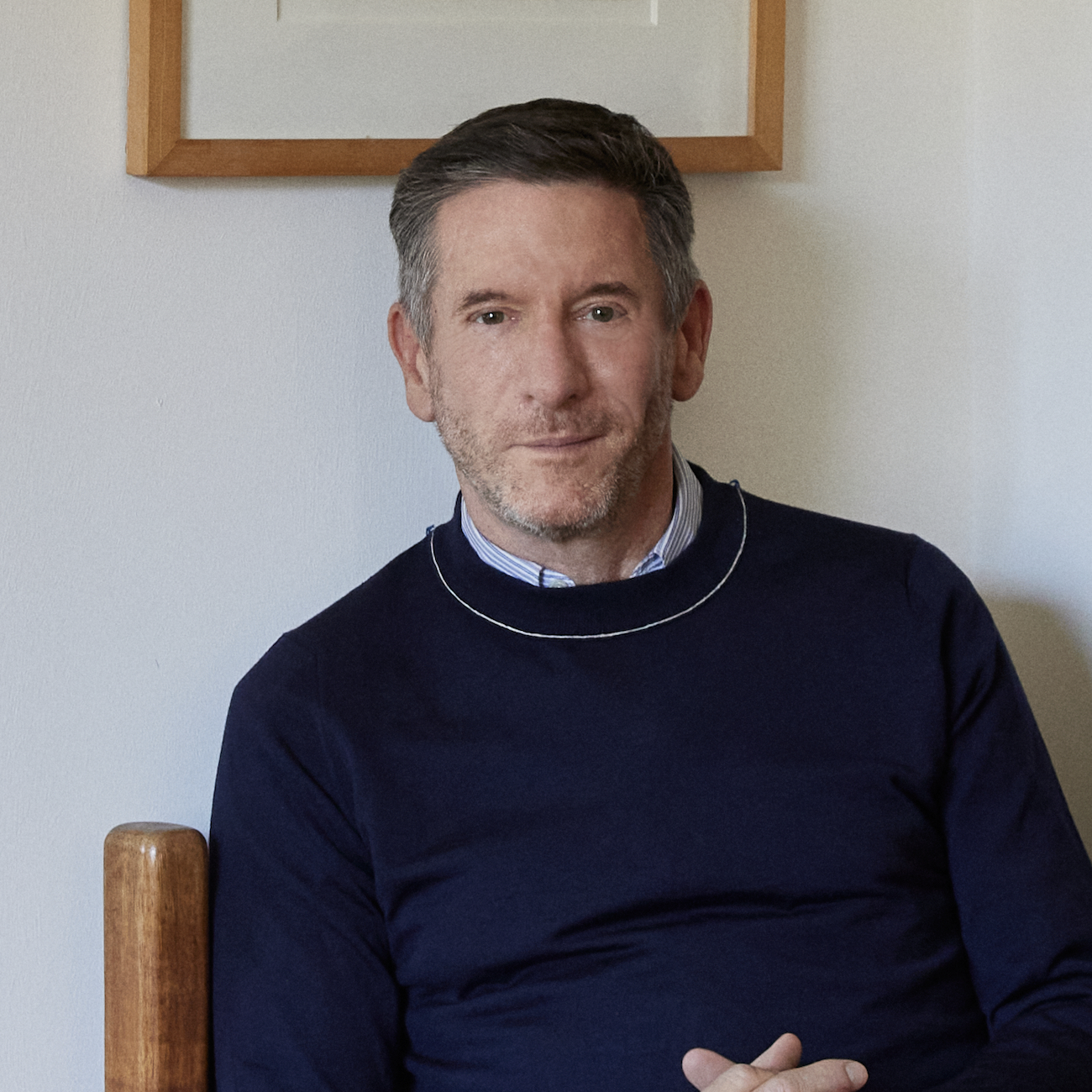
Saatva sat down with Los Angeles-based interior designer Peter Dunham to discuss his design philosophy, the art of creating timeless, inviting interiors, and how to transform the bedroom into a restorative sleep sanctuary.
Having grown up in Europe and traveled extensively, how have those experiences shaped your approach to interiors?
Growing up in France exposed me to a sense of established culture, proportion, elegance, restraint, and classicism. Twelve years of schooling in the United Kingdom immersed me in the English Country House, with its use of color, pattern, layering, warmth, patina, eclecticism, hospitality, and comfort.
Summers in a national park in Spain taught me about simple, rougher materials and the beauty of natural light glittering on the waves and in the dappled shade of olive trees. I also became attuned to the sensory experiences of nature in summer, including the smells, the sound of crickets, the majesty of starlit skies, and the joy of the sea. These experiences taught me to appreciate simplicity and timeless authenticity.
Experiencing New York City in the late 1970s, then moving there in 1983 and working in real estate for 15 years, taught me about buildings and maximizing the economy of space. It also taught me about what people want in their homes and about business in general. Living in New York exposed me for the first time to the world of American design, including its inventiveness, glamour, sophistication, raw talent, and drive.
Living in California for 25 years has taught me about capturing the exterior. Everything we do in Southern California has to connect with the spaces right outside and make the most of them. It has also taught me about the ubiquity of comfort. People in Southern California prioritize comfort and ease above all else. There is room for style and elegance, but always within the prism of a certain sophisticated casualness.
Your projects effortlessly blend antiques, bespoke pieces, and contemporary comforts. How do you strike that balance without a space feeling overly designed?
For me, a primary goal is to create rooms that do not look overly designed. To achieve this, we spend considerable time on the architectural plans and carefully consider the best use of each space so that the decoration can fit in seamlessly.
About 70 to 80 percent of the pieces are things that we are never likely to find, such as perfect sofas, beds, bedside tables, comfortable dining chairs, and area rugs. These pieces will mostly be custom-made.
I leave the final 20 to 30 percent to serendipity. This is what gives the house its personality and its soul.
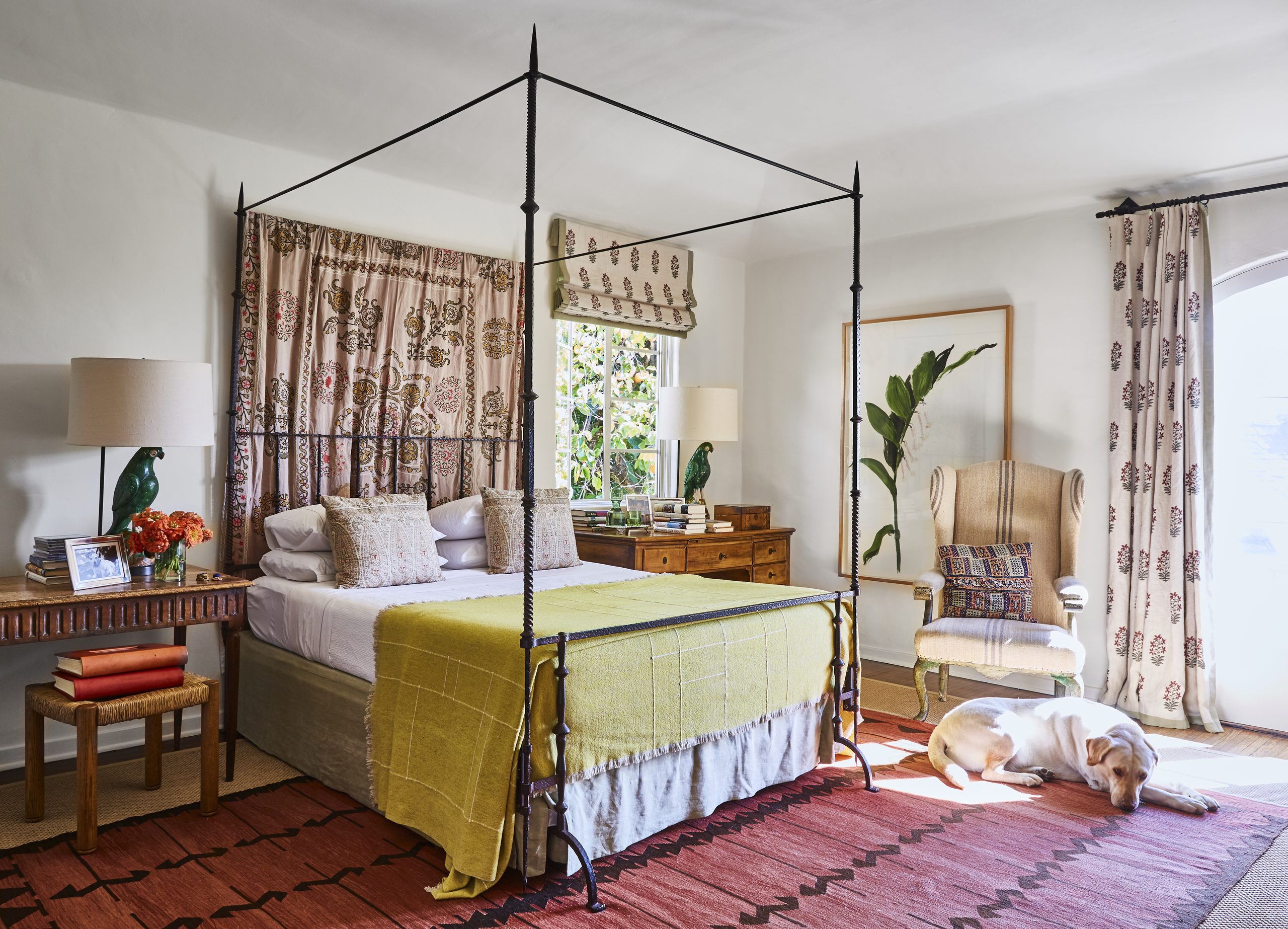
Color and pattern have become signatures of your work. How do you know when a room has the right amount of each?
Decorating is ideally like painting in oils. You keep adding a bit here and there, scrape some off, and dab some more on until you get the right balance. It’s particularly so with pattern and color, but everyone has a different tolerance, so it’s best to test it out with the homeowners.
The rule of thumb is that if a room has either wonderful architecture or views, or the homeowners have art, you don’t need much of either pattern or color. On the other hand, a small, dark, boring, cold room would be ripe for color and pattern. Every house should have one room where you do this, and if nothing else, just to break the monotony.
You’ve restored landmark homes while also collaborating on new construction with leading architects. How does your design process differ between honoring history and creating something entirely new?
Either way, you first have to figure out how the homeowners want to feel at home and how they will use the house. With an old house, you have to connect to it and understand the intentions of the original architecture. At the start of a project, I like to be left alone and “feel” the house. I want to explore what I can do to improve the experience of being in that old house. Initially, everything is ripe for discussion—whether it’s changing the driveway, creating a better entry point, or even moving the house to a better part of the property to maximize the experience.
To a lesser extent, this can also mean tweaking the interior architecture to get the best layout and furniture plans. The layouts of older houses don’t often correspond to modern times, so they need some surgery, such as opening up doors to the outdoors or moving the kitchen to a more central location. The secret is to make it seem like it was always there when you are finished. With new houses, it’s all up for grabs. You have the opportunity to establish the vibe. I often incorporate architectural salvage to help give new builds a sense of history while still taking the time to make sure the vision relates to the surroundings.
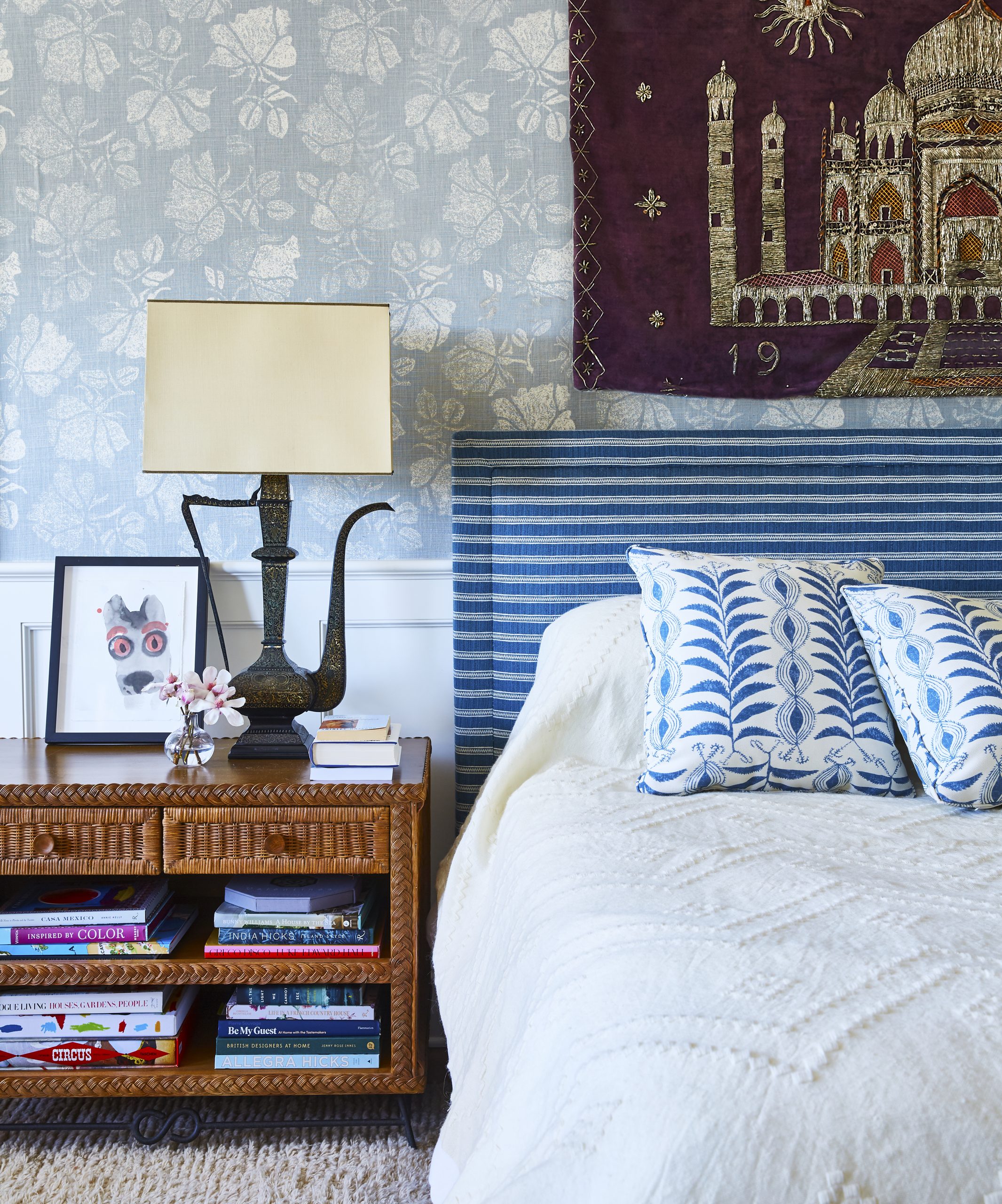
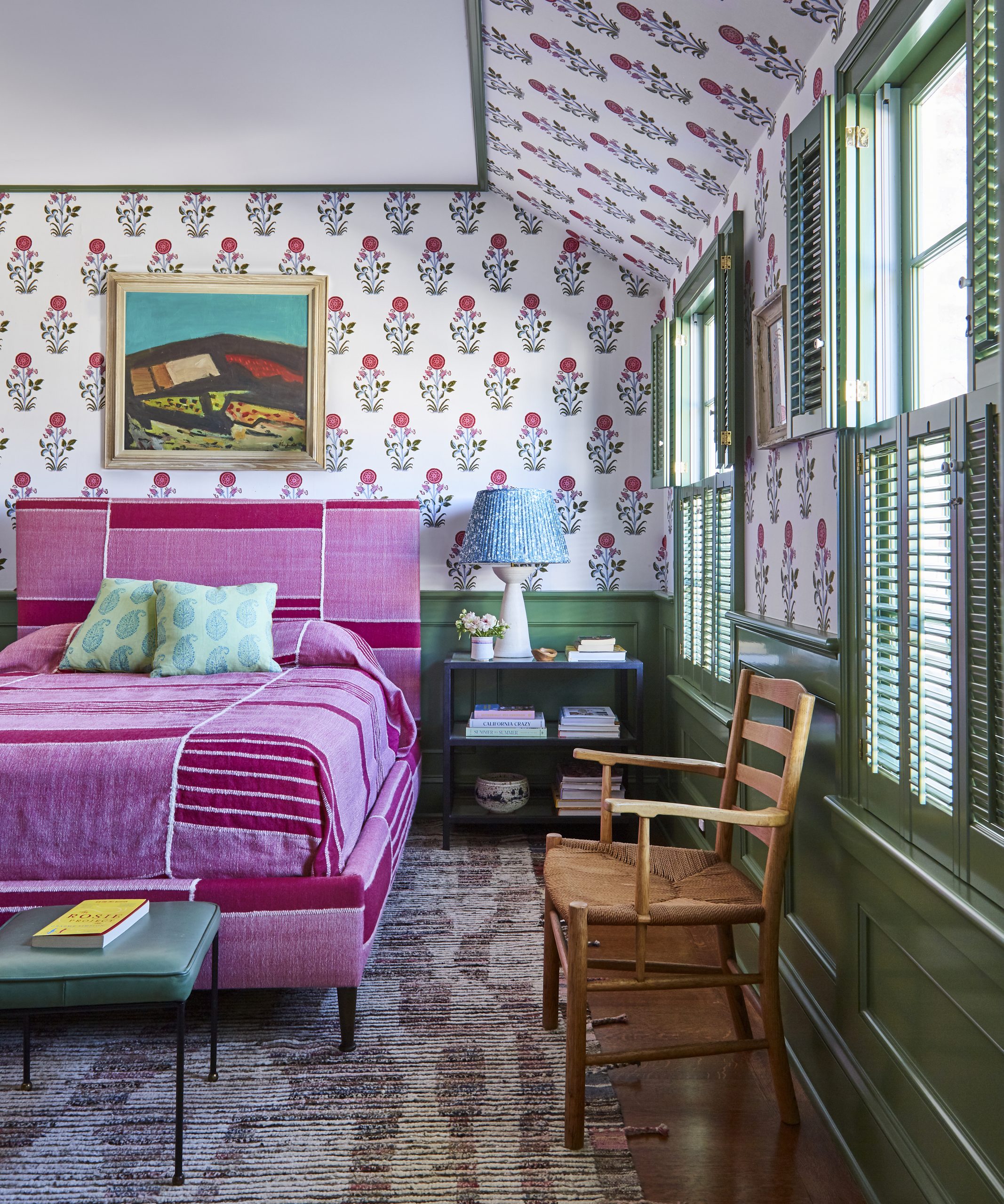
Between Los Angeles and New York, where do you find yourself most inspired?
Both are amazingly different and inspiring in different ways. What they have in common is a melting pot of different cultures drawn together to create fireworks through food, music, and art.
The predominant business culture in Los Angeles is creative. Many artists in all media are working here, so it makes for a very dynamic city once you know where to find it. You don’t realize how much Los Angeles captures you until you move away for a while. There are great museums: the Norton Simon, the Getty’s two campuses, LACMA, MOCA, the Hammer, the Huntington, and so on. Some poetic neighborhoods still survive: Whitley Heights, Pasadena, West Adams, Silver Lake, and Venice.
In New York, my senses are on fire. I am looking at people, buildings, and things all day long, with amazing cultural institutions at my doorstep. I love Greenwich Village and Gramercy Park for their vision into an old New York, and the Upper East Side for these wonderful, glamorous apartment buildings unlike any in the world. It’s really hard to be bored in New York.
What are the foundational elements you believe every well-designed bedroom should have?
You can have an entirely empty room, but you need a good bed. This means a great mattress that is definitely off the floor, with a real upholstered headboard and skirt or frame.
I would add good-quality, clean sheets, four relatively new pillows, bedside tables with drawers on both sides, and good reading lamps that can be dimmed for mood lighting. I never recommend recessed cans in a bedroom. A bedcover also makes the bed look tailored and fresh even after the sheets have been slept in.
A note for all the gentlemen: Unless you look like Brad Pitt in Legends of the Fall, no one wants to share a dingy bed with raggedy sheets, a lumpy mattress, and no bedside table to charge their phone or put down a glass of water. Everything else is a distant second.
In that second category, I would include blackout window treatments, a rug or carpeting, and an armchair or at least a side chair where you can throw your clothes before getting into bed. I also recommend removing the TV from the bedroom. A wise old lady once told me that a bedroom is for rest and love, nothing else.
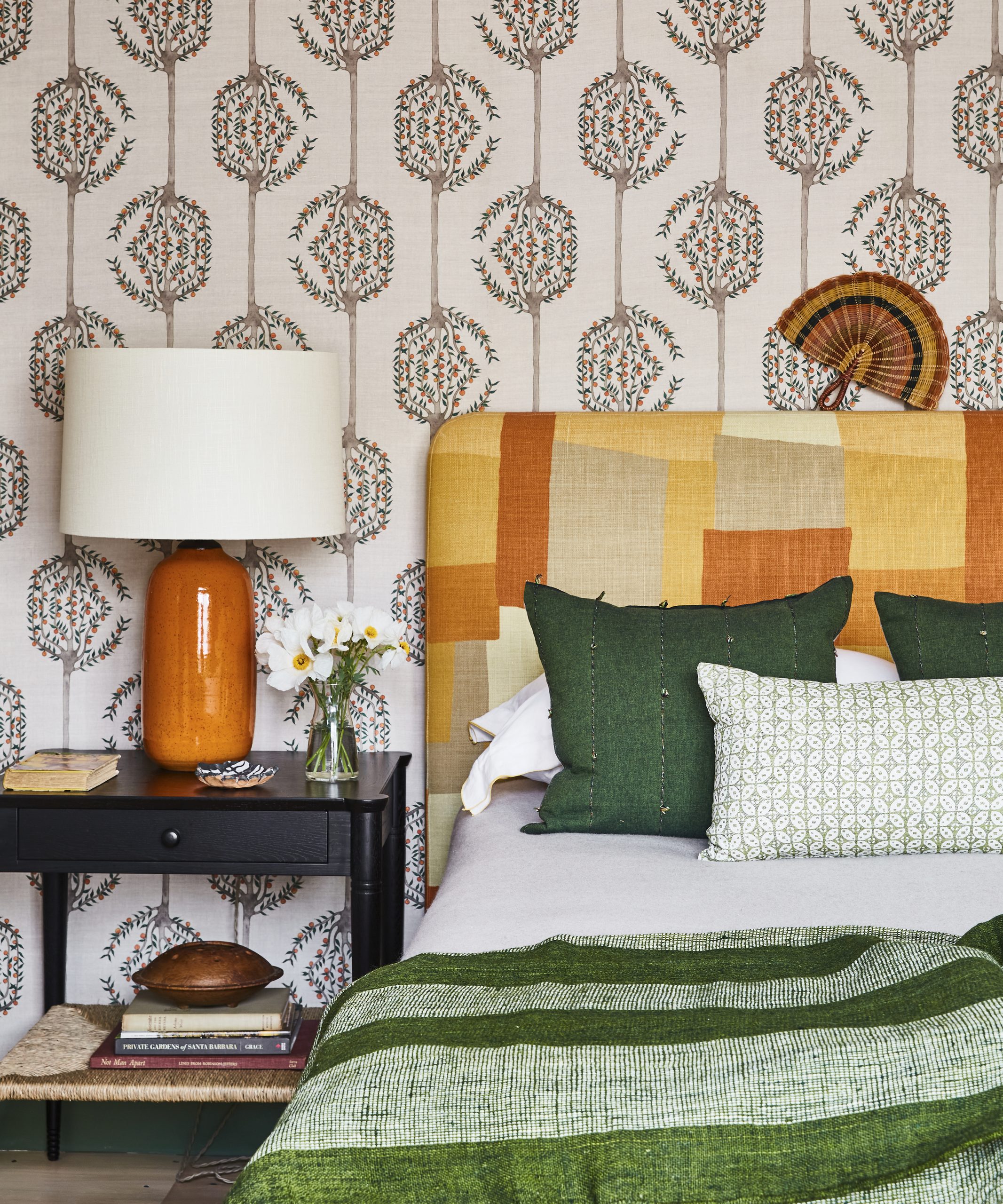
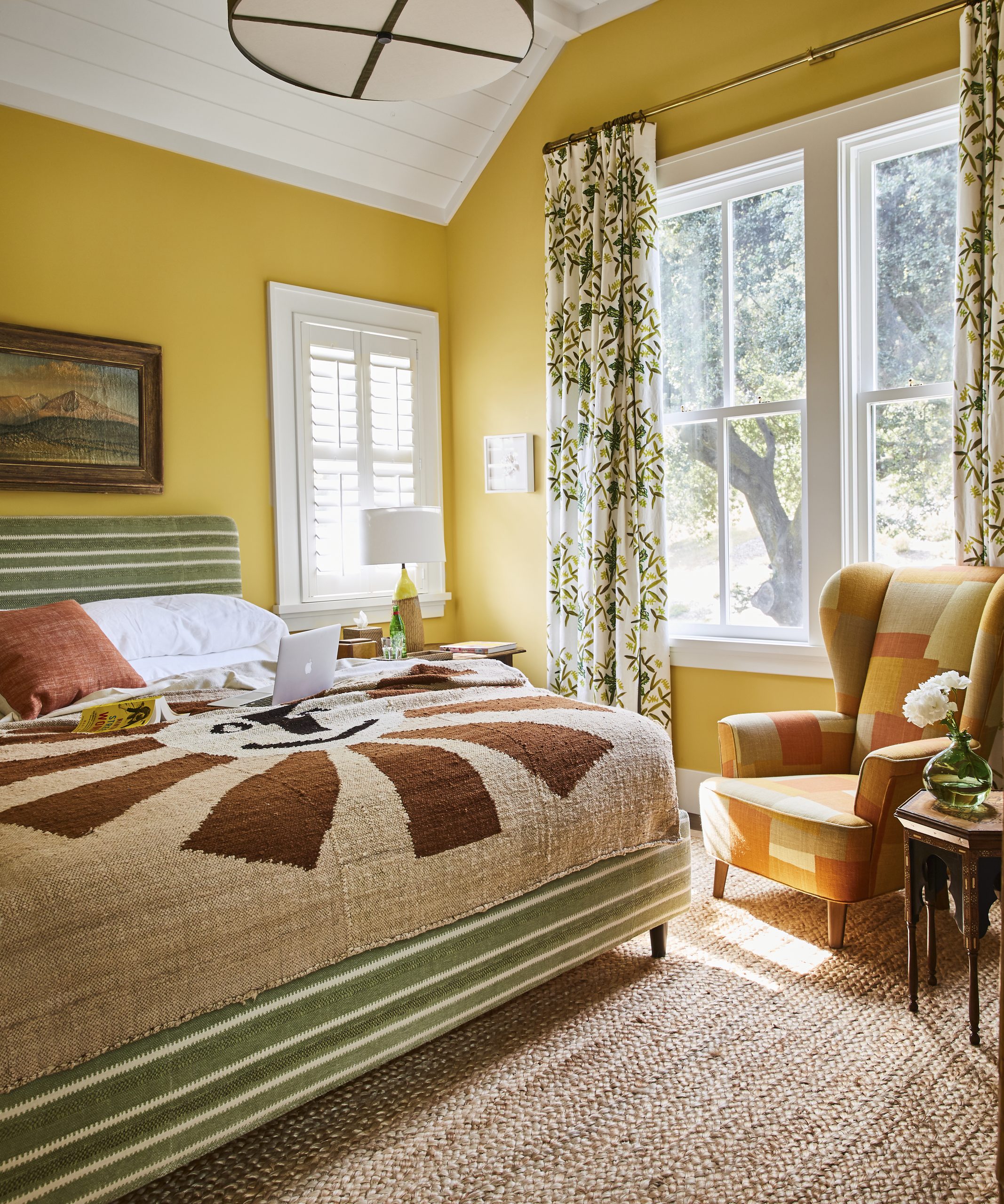
When designing a bedroom, how do you balance visual richness with the sense of calm that’s essential for restorative sleep?
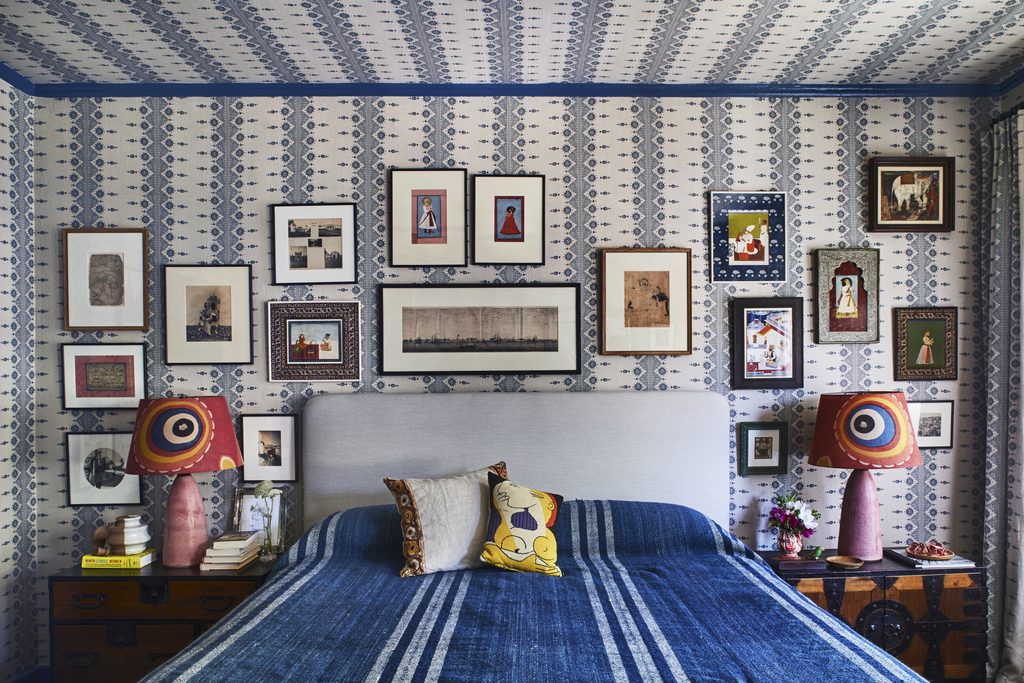
Personally, I like a bedroom with upholstered walls and lots of art. I always ask myself how I would want to feel about the room if I had the flu for a week. I would need something to look at on the walls. I also love a four-poster bed. It makes me feel protected and looks fantastic. In general, I recommend reducing outside noise, controlling the daylight, and having a comfortable bed. The goal is for sleep to be restorative.
Your first book, The World of Peter Dunham, offers readers an intimate look inside your work. What did creating the book teach you about your own design philosophy?
I don’t know that I have a design philosophy per se, but I can see repeated patterns and influences. The book shows me that my interiors are dynamic yet timeless. They look welcoming and optimistic, and I rely on found pieces to create interesting places.
Natural materials, craftsmanship, and authenticity seem central to your work. Why do those qualities matter more than ever today?
We live in a very mechanized and, one might say, increasingly cold world. Natural materials and handcrafted pieces help to offset this. I use natural materials both for their color and texture. They help complement slicker surfaces and add depth. In the same vein, handcrafted pieces that show the hand add so much warmth and integrity to interiors.
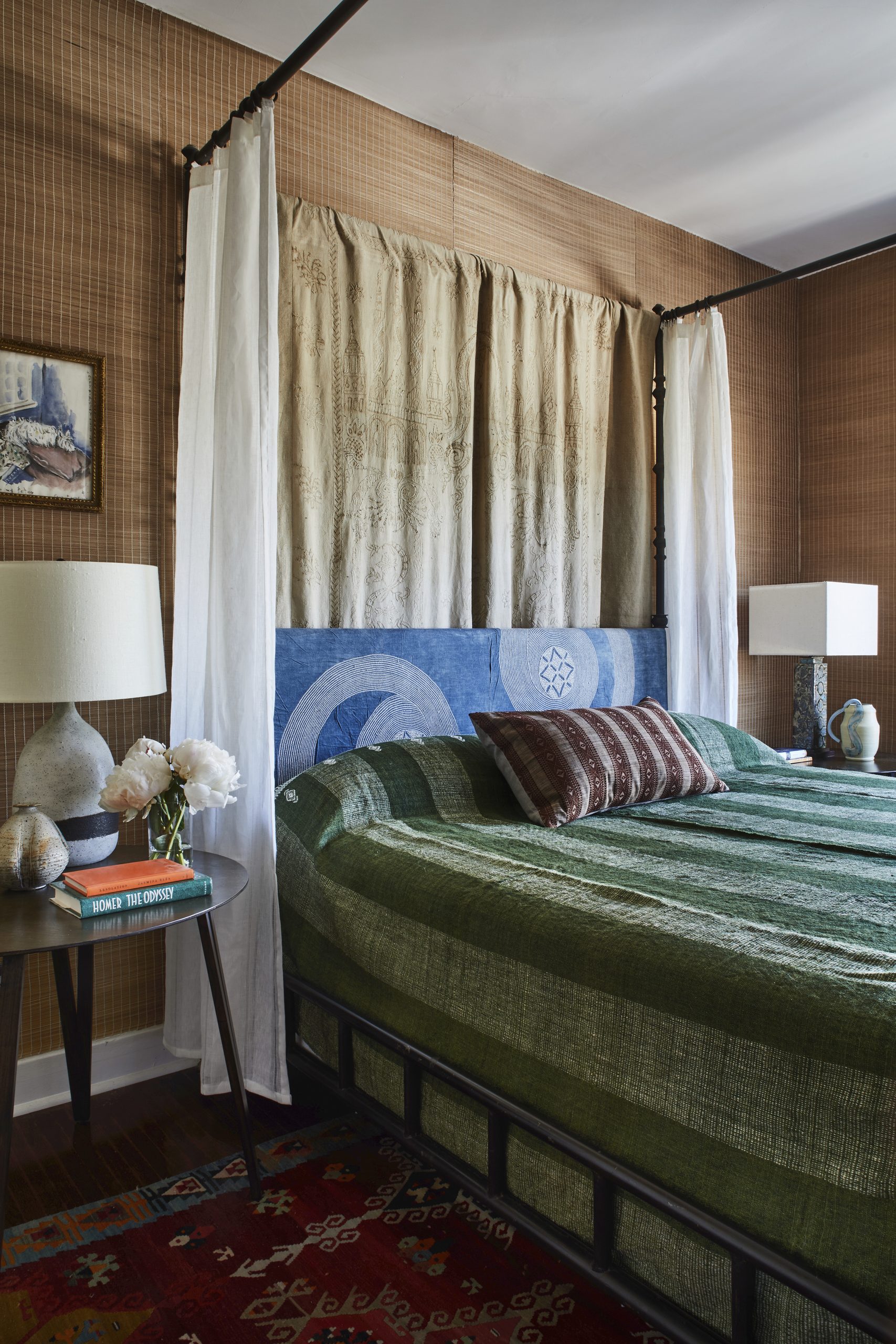
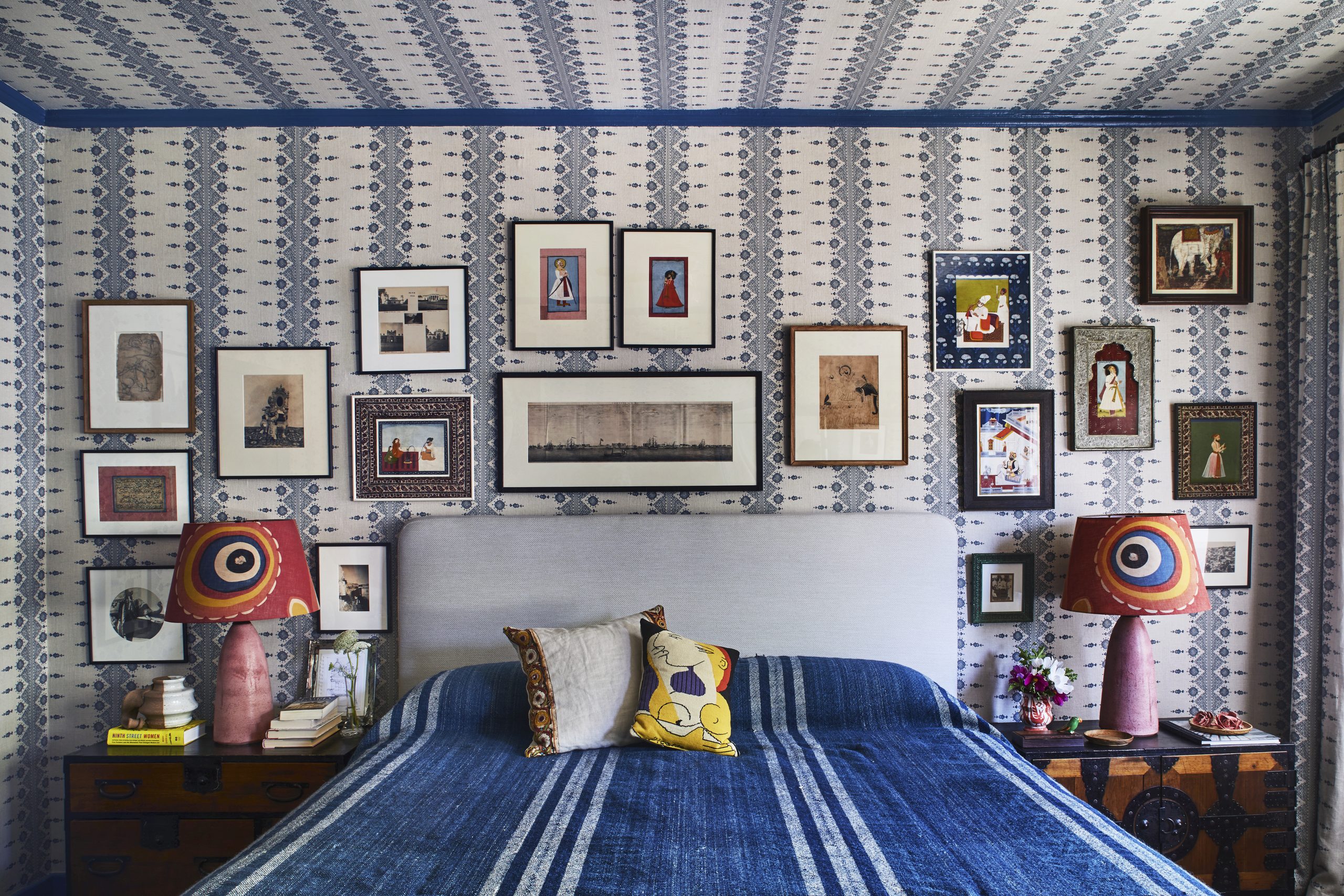
Beyond interiors, what creative influences currently inspire you most—travel, gardens, art, fashion, architecture, or something else?
All of the above and more, but travel is definitely the greatest “energy boost” for inspiration. Getting out of my daily environment gets my eyes darting in every direction, looking at new foliage, street materials, architecture, and people. I’m always looking for things I can extract and use in my projects. Having the time to explore is also important. Visiting somewhere entirely new is always a thrill. I was in Cleveland recently, not exactly the place you might think of as the most inspiring, but there is almost 200 years of non-native architectural history there. There are world-class museums, early industrial warehouses, Deco skyscrapers to dive into, as well as lots of beautiful houses from the industrial heyday of the Great Lakes.
I like a generous nightstand, so a lamp, a mirrored box of Kleenex, a glass vide-poche by Ward Bennett for Tiffany & Co., a notepad, a tumbler full of pens and pencils, a glass of water, Burt’s Bees lip balm, and a pile of six books. I read both on my phone and in print, and alternate between fiction and nonfiction.
Our bestselling, award-winning & customizable mattress
1449 Twin – Split Cal King
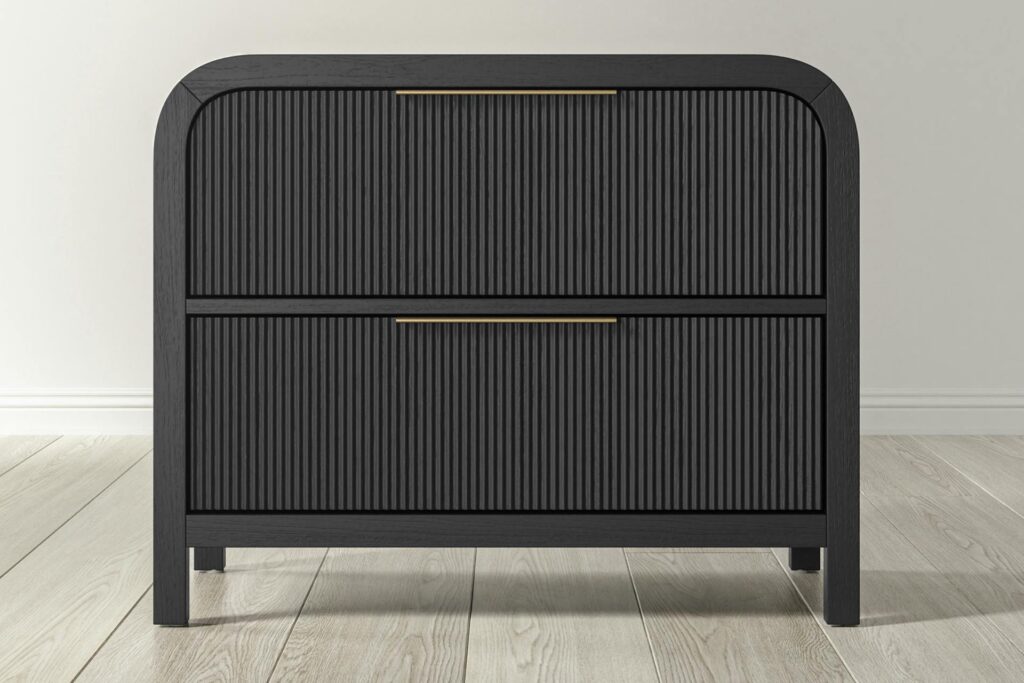
Elegantly rounded nightstand
895 Black Oak, Natural Oak
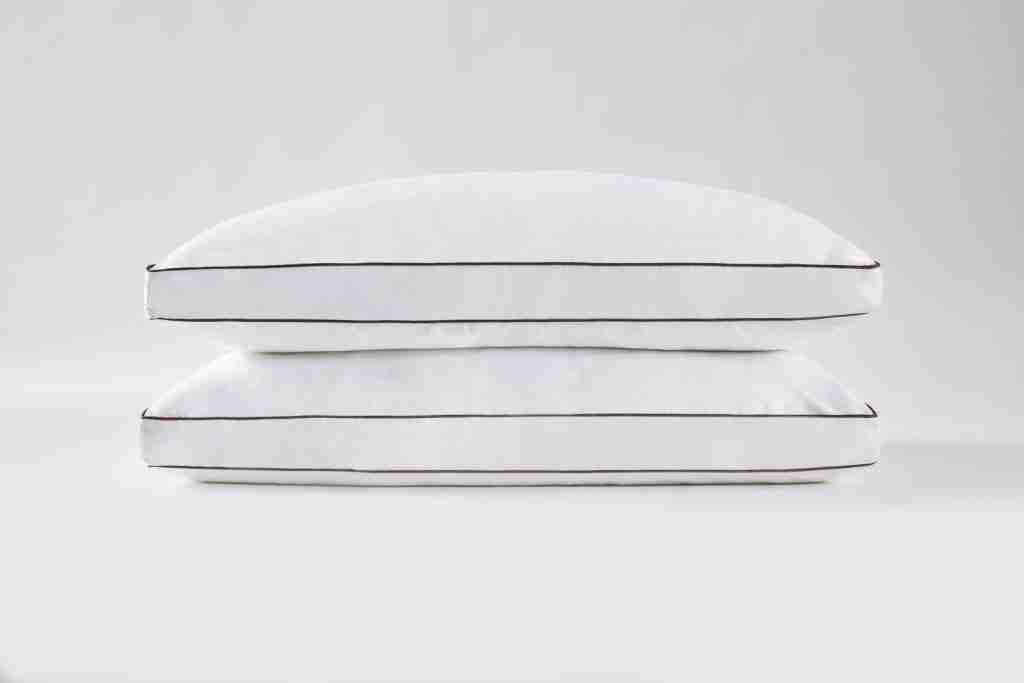
Responsive, breathable head & neck support
165 King, Standard/Queen
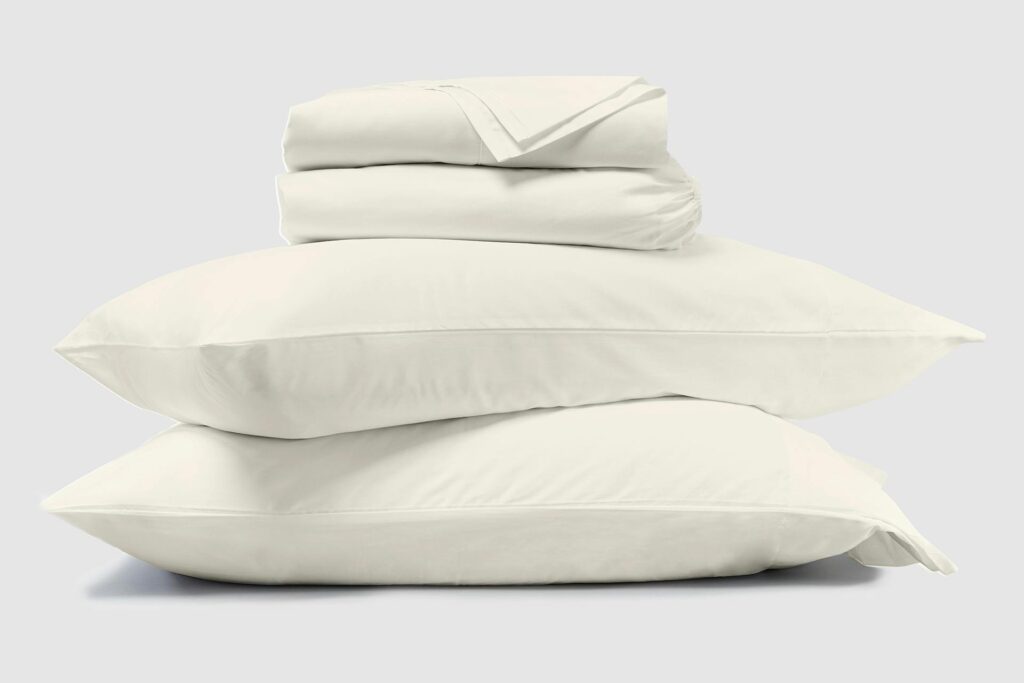
Silky-soft, 300 thread count, long-staple organic-certified cotton bedding
165 Grey, Ivory, White
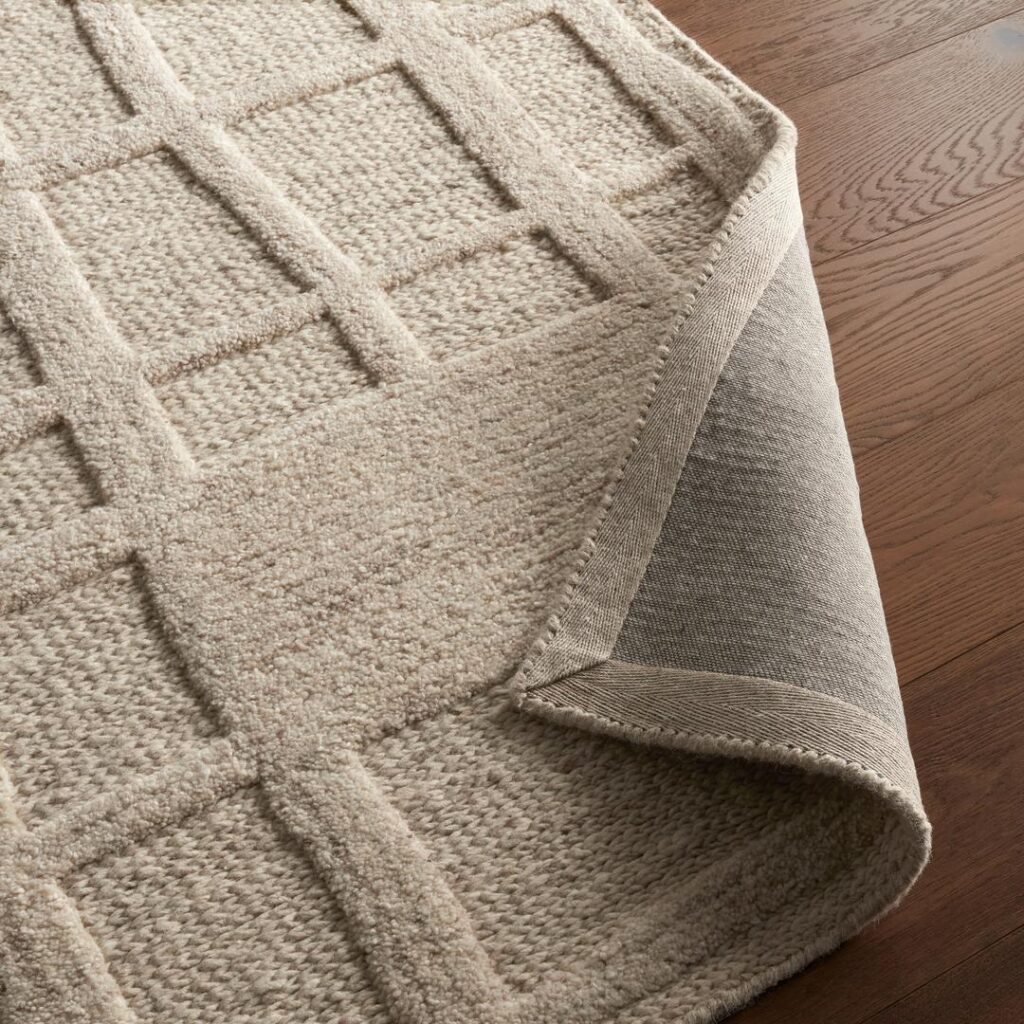
Earthy yet luxurious
695 Cream
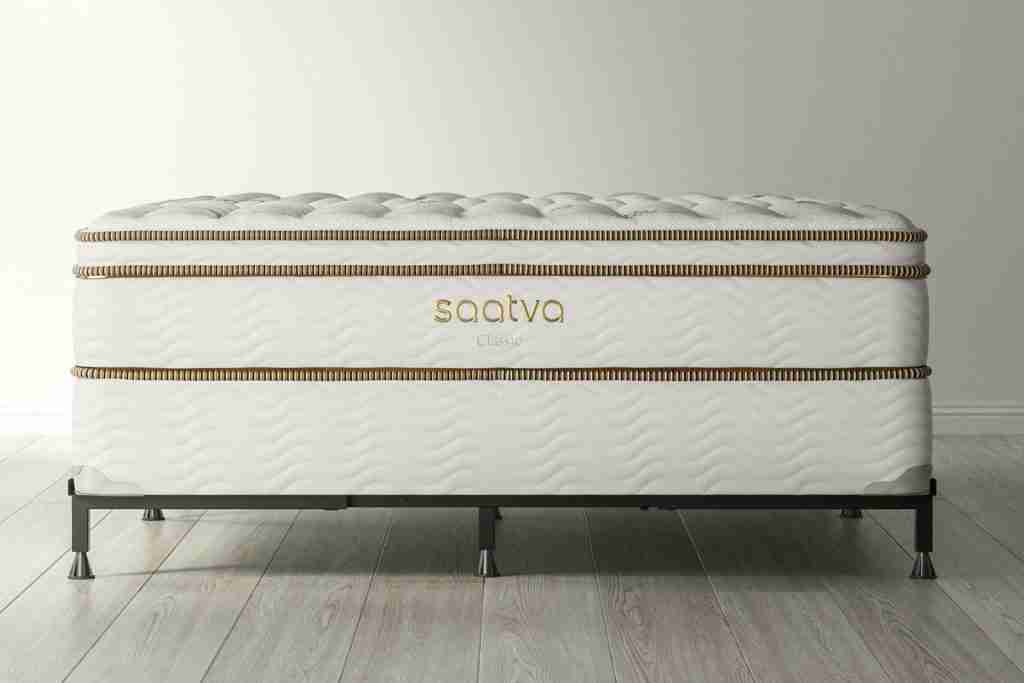
Optimal support & durability
175 Twin – Split Cal King