
 Saatva Classic vs. Saatva HD: 8 Key Differences
Key Takeaways:
- There’s no direct clinical evidence that milk thistle or its primary compound, silymarin, improves sleep quality, acts as a sedative, or reduces sleep onset time.
- While multi-ingredient study blends containing silymarin have shown minor sleep improvements, it remains unproven whether milk thistle alone was responsible for those effects.
- Milk thistle can cause mild digestive side effects or interact with prescription drugs like diabetes medications, so consult a doctor before adding it to your routine.
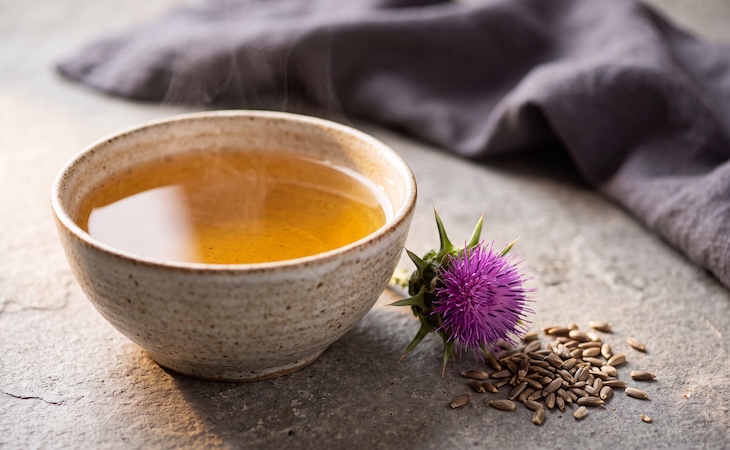
Milk thistle, a flowering plant in the daisy family, is traditionally used to support liver health and often marketed for detoxification.
But could this ancient herb actually help you sleep better? Here’s what you need to know before adding milk thistle to your routine.
What is milk thistle?
“People have used milk thistle as a therapeutic herb for 2,000 years,” says Cynthia Ray, RD, fitness specialist and author of The 21-Day Sugar Detox and The Faster Way to Fat Loss After 40.
Milk thistle, also known as Silybum marianum, contains plant compounds collectively called silymarin.
According to Ray, silymarin is the primary active extract, and silybin (also called silibinin) is one of its major components.
Researchers are exploring potential benefits beyond the liver, including antioxidant and anti-inflammatory effects, but evidence remains limited.
The indirect link between liver health, detoxification, and sleep quality
So, does milk thistle help you sleep?
“Currently, clinical research provides no direct evidence that milk thistle could indirectly support better sleep through its effects on liver health,” Ray says.
The liver processes substances, including medications and alcohol, and plays a key role in metabolism. Certain liver conditions can disrupt sleep, but that doesn’t mean a supplement aimed at supporting liver function will help you sleep better.
Still, supplement maker Cactus Botanics claims milk thistle may ease liver stress and inflammation, which could enhance sleep, particularly when habits like late-night screens, heavy meals, or alcohol disrupt it.
If liver-related symptoms or inflammation interfere with sleep, addressing those problems might help you get better shuteye. But no convincing clinical evidence shows that milk thistle improves sleep by supporting the liver’s natural detoxification processes. Nor is there sound evidence that taking milk thistle combats the sleep-disrupting effects of alcohol, late meals, or screen use.
Digestive discomfort can also interfere with sleep, but there’s no reliable clinical evidence that milk thistle relieves these symptoms in a way that improves sleep quality.
Does milk thistle have sedative or anxiolytic effects?
Unlike medications specifically designed to promote sleep, milk thistle hasn’t been shown to act as a sedative, according to Ray. There’s also insufficient evidence that it has anxiolytic, or anxiety-reducing, effects.
Some preliminary animal research has explored how silibinin affects brain chemicals involved in mood and sleep regulation. However, Ray explains that changes in these chemicals don’t necessarily mean feeling calmer or sleeping better.
For now, there’s no convincing clinical evidence that milk thistle makes people drowsy, helps them fall asleep faster, or improves their ability to stay asleep.
What clinical research says about Milk Thistle and Sleep
“Some preliminary research suggests milk thistle may improve sleep,” Ray says.
In a 2024 pilot study, 22 overweight adults took a daily blend of silymarin, prebiotics, and minerals for six months and scored better on a standard sleep quality questionnaire.
A second 2024 pilot study from the same research team hinted at better sleep after 90 days. But both used a multi-ingredient supplement, “making it nearly impossible to know whether milk thistle itself directly affected sleep, since it was not isolated in these studies,” Ray says.
In a related trial, a blend without milk thistle also improved sleepiness. That makes it even harder to determine whether silymarin caused the sleep-related findings.
These early results are interesting, but the studies were small and didn’t test milk thistle alone.
Ray says larger human trials that isolate silymarin and directly measure sleep outcomes are needed before researchers can determine whether it offers a meaningful benefit.
How to take milk thistle: dosage, timing, and potential side effects
Dosage and timing
Ray notes there’s no established dose of milk thistle for sleep. Studies on milk thistle for other health uses have tested about 140 to 420 mg of silymarin a day.
She suggests choosing a supplement that clearly lists its silymarin content, since some standardized extracts contain 70% to 80% silymarin. These amounts reflect research on other uses, not a proven sleep dosage. Anyone considering a supplement should follow the product’s directions and, when appropriate, check with a healthcare professional.
Timing doesn’t seem to matter much. “Currently, no evidence shows that taking milk thistle at night is more beneficial than taking it during the day,” Ray says.
Like other supplements and over-the-counter sleep aids, milk thistle products don’t always match their labels. According to the National Center for Complementary and Integrative Health, some contain substantially more or less silymarin than advertised or are contaminated with pesticides, microbes, or mold toxins.
Look for a third-party certification seal, such as USP or NSF, which indicates that a supplement has undergone independent testing to verify its ingredients and screen for certain contaminants.
Side effects and medication interactions
According to Ray, most adults tolerate milk thistle well. When side effects occur, they’re usually digestive, such as diarrhea, nausea, gas, bloating, or indigestion.
But she cautions that milk thistle isn’t safe for everyone.
“Women who are pregnant or breastfeeding should avoid it because there isn’t enough safety information,” says Ray. People allergic to plants in the daisy or ragweed family should also use caution.
Ray notes that milk thistle may also affect blood sugar and estrogen activity and can interact with some diabetes medications and other drugs.
Some laboratory research suggests that milk thistle compounds may affect cytochrome P450 (CYP450) enzymes, which help the liver process medications. But these laboratory findings haven’t consistently translated into significant drug interactions in humans.
“Anyone taking prescription medications or managing a medical condition should talk with their doctor or pharmacist before taking milk thistle,” Ray advises.
Verdict: Is milk thistle worth trying for sleep improvement?
If your main goal is better sleep, milk thistle probably shouldn’t be your first choice.
Researchers have studied silymarin for its potential liver, antioxidant, and anti-inflammatory effects, but there’s little evidence that milk thistle directly improves sleep.
“Based on the findings so far, we can say there are some interesting preliminary results, but there is not enough evidence to conclude that milk thistle alone improves sleep,” Ray explains. “Human clinical trials testing milk thistle or silymarin alone and measuring sleep outcomes would be ideal.”
Some people may sleep better when an underlying health problem is addressed. But that doesn’t establish milk thistle as an effective treatment for the problem or for sleep disturbances.
If you’re looking for a research-backed option, explore these natural sleep aids and consider which approaches have evidence for your particular sleep concern.
If you regularly experience sleep disruptions, talk with your healthcare provider about possible causes and evidence-based ways to improve your sleep.
FAQs
Does milk thistle have any proven direct effect on sleep?
Ray says there is currently no strong evidence that milk thistle has a calming effect, makes you sleepy, or helps you fall or stay asleep.
Ray points to animal research as one possible biological connection. A study found that silibinin, a major compound in milk thistle, helped protect levels of dopamine and serotonin in mice given methamphetamine.
“These brain chemicals play important roles in mood and sleep regulation, but the study did not actually measure sleep,” Ray explains.
The findings “offer a possible explanation for how milk thistle could influence sleep, but they do not prove that milk thistle makes people sleepy or improves sleep in humans,” she says.
Can milk thistle make you drowsy?
It’s unlikely. Drowsiness isn’t among the commonly reported side effects of milk thistle.
“Since it has not been shown to act as a sedative, there is no research-based reason to recommend taking it specifically at bedtime,” Ray says.
Is it safe to take milk thistle at night with medications?
Taking it at bedtime doesn’t eliminate potential medication interactions. Milk thistle may interact with some medications, including certain diabetes drugs and liver-processed medications, regardless of when you take it.
If you take prescriptions, Ray advises checking with your doctor or pharmacist before adding milk thistle to your nighttime routine.

Christina Heiser
Christina Heiser is the content director at Saatva. She has held previous positions at Everyday Health, Women’s Health, and L’Oréal. Christina serves as an ambassador for the nonprofit organization Beyond Celiac and is passionate about raising awareness about celiac disease. When she’s not working, you can find Christina traveling the world in search of the best gluten-free eats and trying out the latest beauty, fitness, and wellness trends. Check out her newsletter, Celiac Self-Care.
Related Stories
-
Saatva Classic vs. Saatva HD: 8 Key Differences
Table of Contents
