
 BiPAP vs. CPAP: What’s the Difference?
Key Takeaways:
- Deep sleep triggers growth hormones and immune cells that repair wounds and fight infection.
- Poor sleep delays healing and increases infection and pain perception.
- Getting seven to nine hours of sleep during recovery helps wounds heal faster and reduces complications.
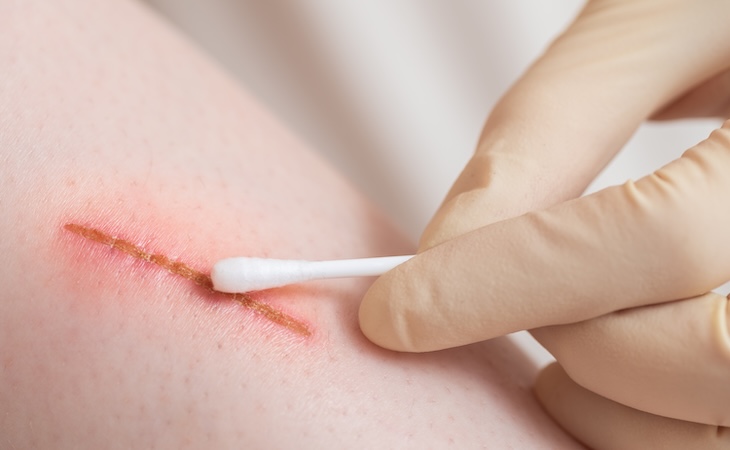
Sleep is one of the most underrated tools to recover from wounds and surgery. The connection between sleep and wound healing is scientifically clear: Not only does sleep help your brain and body repair from daily stressors and activities but sleep helps cuts, sores, and surgery wounds heal faster.
Deep sleep, specifically, is when your body puts most of its energy into repair, so getting quality sleep is a crucial part of maintaining your overall health and helping your wounds heal faster. Understanding the connection between sleep and repair can make healing wounds and recovering from surgery easier.
How sleep helps your body heal cuts and wounds
Quality sleep is a pillar of good health for a variety of reasons, and getting enough deep sleep is extra important when you are recovering from surgery or injury. Deep sleep is when your body kicks off a series of key healing mechanisms to repair skin, muscle, and tissue.
According to the Division of Sleep Medicine at Harvard Medical School, the body’s major restorative functions “occur mostly, or in some cases only, during sleep.”
If you’re injured or recovering from a surgery, it’s important to prioritize both quantity and quality of sleep to help your body heal wounds more effectively.
- Deep sleep → increased repair & healing
- Poor quality sleep → impaired wound healing
What happens to your body while you sleep
So, what actually happens to your body while you sleep? Once you reach deep sleep, your body releases growth hormones, lowers stress hormones, and produces immune proteins that help fight off infection. Together, these functions help your body repair and heal.
Healing hormones get released
Growth hormones are a crucial part of your body’s repair process. These healing hormones encourage cellular repair and collagen growth to reduce wound healing time.
When you enter deep sleep, your body releases growth hormone, which signals your cells to head to the injury site to start repair. Certain cells rebuild connective tissue, while others rebuild collagen to give the new skin more strength.
In fact, the amount of deep sleep you get directly affects how much growth hormone your body releases. This is why it’s important to ensure you’re getting enough deep sleep during the recovery process.
- More deep sleep → more growth hormone is released
- Growth hormone → improved wound healing
Growth hormone also recruits immune cells to help your body fight off potential infections at the wound site and clear out unwanted debris.
Your immune system fights off germs
The same growth hormones released during deep sleep that repair wounds also boost your immune system to fight off germs. This applies to germs that may cause infection at the wound site as well as germs that can make you get a cold or the flu.
A study from the Journal of Applied Physiology showed that people who slept less than six hours a night for seven days were four times more likely to get a common cold than individuals who slept more than seven hours a night for the same amount of time. The same study also showed that lack of sleep “delayed initial recovery of the skin barrier following an experimental wound.”
The main takeaway:
Deep sleep → increased immune cells → infection fighting → faster healing
Let’s find out what happens to the body’s natural healing process when you don’t get enough sleep.
What happens to healing when you don’t sleep enough
We know all the benefits of consistent deep sleep, but what happens when you don’t sleep enough, and how does this affect the body’s recovery process?
Not sleeping enough when recovering from surgery or injury runs the risk of delayed healing, infection, and higher inflammation. In simple terms, your body isn’t given enough time to do what it needs to do to get you back to full health.
- Reduced deep sleep → slower healing + higher risk of infection
When you don’t sleep enough, your body also feels more pain. According to research published in the National Library of Medicine, “The relationship between sleep and pain is reciprocal,” meaning the worse you sleep, the more likely you are likely to feel the pain of your injury.
“When we are well rested, our bodies are much more tolerant to pain,” explains Sacha Obaid, MD, a Harvard Medical School-trained, board-certified plastic surgeon. “Studies have shown that patients need less pain medicine overall and feel better pain control when they sleep well.”
- Better sleep → reduced pain
Simple tips to sleep better while recovering
Getting quality sleep after surgery or while injured can feel difficult, but there are a few simple tips to sleep better while recovering.
- Maintain a regular sleep schedule. Our bodies love routine, so adhering to a sleep schedule when possible will make falling—and staying—easier.
- Create a restorative sleep environment. Reducing light and noise can help improve the quality of your sleep. According to research published in the National Library of Medicine, using an eye mask and ear plugs can help you sleep better during recovery.
- Avoid excessive screen time. If you’re stuck in bed recovering, scrolling on your phone or watching TV might help pass the time, but it can negatively impact your sleep. Instead, try reading a book, working on a crossword puzzle, or listening to a podcast to help pass the time.
- Manage pain. If pain is keeping you up at night, talk to your doctor. A hot water bottle, ice pack, or medicine might help.
FAQs
Does sleeping help cuts heal faster?
Getting the proper amount of sleep helps your wounds heal faster and lowers the risk for infection. When you enter deep sleep, your body releases healing hormones that repair your wound or injury, and immune cells that fight off germs.
Why do I feel so sleepy after getting hurt or having surgery?
Feeling extra tired after getting hurt or having surgery is a completely normal response. Your body is working hard to heal, repair, and fight off infections, which requires extra energy.
How many hours should I sleep when healing?
Since sleeping encourages repair, it’s important to get enough sleep when recovering from an injury or surgery. Obaid suggests getting seven to nine hours of sleep per night. This gives the body enough time to fight infections, work on repairing the wound, and reduce pain. If you’re struggling to sleep during recovery, the tips above can help.

Kate Marin
Kate Marin is a Southern California-based writer and creative
strategist who loves staying active, which is a big reason why she
takes her sleep so seriously. When she’s away from her computer,
you’ll find her at the beach, taking a Lagree class, baking in the
kitchen, or at home with her dogs planning her next improvement
project.
Related Stories
-
BiPAP vs. CPAP: What’s the Difference?
-
 What Can a Maintenance of Wakefulness Test Reveal About Your Daytime Alertness?
-
 Why Do I Wake Up Before My Alarm?
Table of Contents
