
 Is 7 Hours of Sleep Enough?
Key Takeaways:
- While psyllium husk offers clear digestive and metabolic benefits, there is currently no direct scientific evidence establishing it as an effective sleep aid.
- Taking fiber supplements too close to bedtime can lead to bloating, gas, or indigestion that disrupts sleep, so evening doses should be taken at least three hours before bed with dinner.
- Proper hydration is essential when taking psyllium husk to prevent choking or intestinal blockage, and it can interact with certain medications like thyroid treatments or blood thinners.
A comfortable mattress and a consistent sleep hygiene practice are crucial for getting a good night’s sleep.
But did you know that what you eat, how your body digests food, and changes in blood sugar can also impact your sleep?
Psyllium husk is best known for maintaining a healthy, regular gut. So, could taking this fiber supplement in the evening also help you sleep better?
While psyllium offers digestive and metabolic benefits, research directly linking it to better sleep is limited. Here’s what the science says about when to take it and what precautions to consider.
What is psyllium husk, and how does it function?
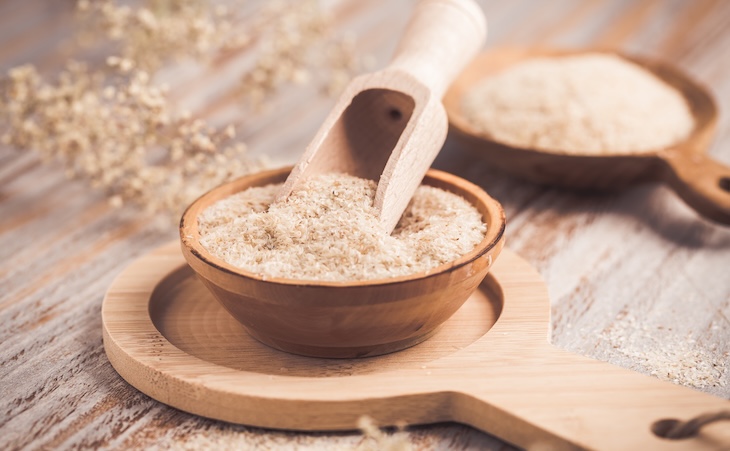
Psyllium husk is a soluble fiber derived from the seeds of the Plantago ovata plant. It’s the main ingredient in some fiber supplements commonly used to relieve constipation.
Soluble fiber, found in oats, apples, beans, and psyllium, dissolves in water, slows digestion, and helps regulate cholesterol and blood sugar.
Insoluble fiber, found in whole grains, nuts, and vegetables, adds bulk to stool and helps prevent constipation.
“Psyllium husk draws water into the bowels and forms a gel-like substance, acting essentially like a natural stool softener,” explains May Tom, RD, functional medicine practitioner,
The gut-brain axis: how fiber and microbiome health influence sleep
Your gut and brain are constantly talking to each other through a two-way communication system called the gut-brain axis.
Nerves, hormones, immune signals, and the trillions of microbes in your gut all play a part in this back-and-forth conversation.
When gut bacteria break down certain fibers, they produce compounds called short-chain fatty acids (SCFAs), which may increase serotonin production in the gut.
Tom says psyllium may play a role in this process, but cautions against assuming that means better sleep. “More serotonin in the gut doesn’t mean serotonin in the brain,” she explains.
Most research linking SCFAs, brain chemicals, and sleep has been done in animals or labs. Tom notes that human studies haven’t established this connection to sleep, so it’s too soon to say whether psyllium helps you sleep better through the gut-brain axis.
Still, keeping things moving and avoiding an upset stomach may make it easier to settle in for a good night’s sleep.
Can psyllium help stabilize blood sugar overnight?
A 2024 systematic review and meta-analysis involving 19 randomized controlled trials found that psyllium supplementation improved fasting blood sugar and hemoglobin A1C, a measure of average blood sugar over several months.
But does taking psyllium with dinner prevent blood sugar drops that wake you at night?
Not necessarily. Tom explains that fiber slows digestion and helps moderate blood sugar fluctuations, but there’s no evidence that psyllium prevents overnight dips.
She points to research on slow-release cornstarch, used in products such as UCAN, for preventing nighttime low blood sugar in people with type 1 diabetes.
People who experience nighttime hypoglycemia (low blood sugar), particularly those taking diabetes medications, should speak with their healthcare provider rather than relying on psyllium to combat it.
Digestion vs. discomfort: timing psyllium husk intake before bed
If you choose an evening dose, timing matters.
Tom advises taking psyllium at least three hours before bed, around your evening meal.
She says having fiber in your stomach too close to bedtime could cause indigestion or restless sleep.
Taking too much fiber at once, especially if you’re not used to it, can also leave you feeling bloated and gassy, hardly a recipe for a good night’s sleep.
Start with a small dose and gradually increase it as your body adjusts.
Proper hydration requirements and potential side effects
Because psyllium absorbs water and expands, hydration is especially important.
Tom recommends a tall glass of water for every teaspoon of psyllium husk.
She also warns against adding too much fiber to your diet too quickly. Your stomach may not appreciate the sudden change.
Without enough water, psyllium can swell in your throat or esophagus and cause choking. If you have trouble swallowing, talk to your doctor before taking it.
Tom explains that psyllium can affect how your body absorbs some medications, including thyroid meds like levothyroxine, mood medications like lithium, antibiotics, anticoagulants, and statins. Consult your pharmacist if you take these medications.
And if you’ve ever had an intestinal blockage or are dealing with digestive problems you can’t explain, check with your doctor before giving psyllium a try.
Final takeaway: Should you take psyllium husk before bed?
Psyllium has plenty going for it for digestion and blood sugar. But will taking it before bed improve sleep? The research isn’t there yet.
If evenings work best for you, try taking it with dinner rather than right before climbing into bed.
Tom recommends at least three hours between taking psyllium and turning in. And don’t forget the water.
Start with a small amount of fiber, give your body time to adjust, and pay attention to how your stomach feels.
The bottom line? Psyllium may help keep you regular, but it’s not a sleep aid.
FAQs
Is it safe to take psyllium husk before bed?
For most adults, yes, as long as you can swallow safely and drink plenty of water. But if psyllium leaves you feeling bloated or uncomfortable, bedtime probably isn’t the best time to take it.
Can psyllium husk affect nighttime blood sugar or digestion?
Psyllium can help keep bowel movements regular and improve blood sugar control. What hasn’t been shown is that it prevents overnight blood sugar drops or helps you sleep better.
How long before bedtime should you take psyllium husk?
Tom suggests at least three hours before bed to avoid digestive discomfort. That’s her practical recommendation, though, not a timing rule backed by clinical studies.

Monica Romano
Monica Romano is a freelance health journalist. She relies on her nursing background to write natural health and wellness content and inspiring features for Woman’s World and First for Women print magazines. When not writing, Monica is forever in search of the elusive good night’s sleep.
Related Stories
-
Is 7 Hours of Sleep Enough?
-
 Why Do I Make Noises When I’m Falling Asleep?
-
 Nocturnal Dyspnea: Why Do I Wake Up Unable to Breathe?
Table of Contents
