
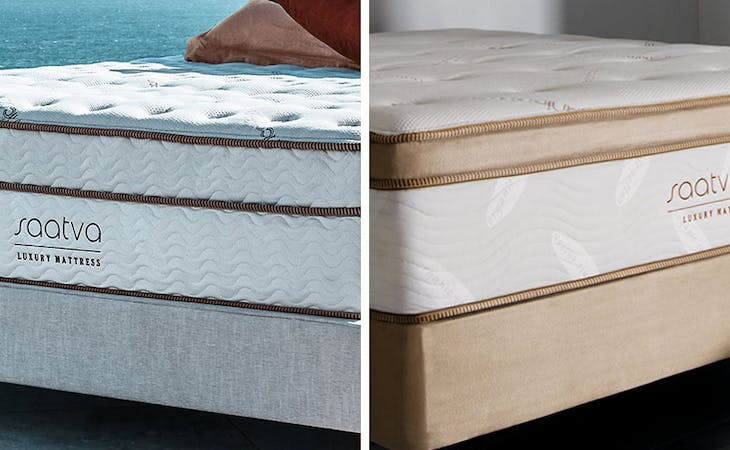
 Saatva Classic vs. Saatva HD: 8 Key Differences
Key Takeaways:
- Ube isn’t a direct sleep aid or cure for sleep issues, but its complex carbohydrates and fiber provide steady energy that helps prevent blood sugar spikes and late-night cravings.
- The vivid purple tuber is rich in anthocyanins—antioxidants that help lower whole-body inflammation, which can indirectly support overall health and sleep quality.
- To enjoy ube as a healthy bedtime choice, opt for simple preparation methods like plain baking, roasting, or mashing, while avoiding high-sugar ube lattes and desserts.
Certain foods, like turkey and tart cherries, have a reputation for making you sleepy. But if you’re hoping to expand your repertoire of evening snack options for good sleep, you may have heard rumors about ube, a trendy tuber rumored to be the next superfood.
Along with adding a pretty pop of purple to your plate, ube is packed with slow-digesting complex carbs to combat midnight cravings and calcium to help you sleep easy. Unfortunately, that doesn’t mean ube actually makes you tired or improves sleep quality.
“I recommend viewing it as a better bedtime choice than a snack high in added sugar and fat,” says Tina Sergi, RD, a certified sports dietitian in El Paso, Texas.
This article covers what you need to know about purple yam’s nutritional profile, the nutrients it contains that support good sleep, and how best to prepare it as an evening snack.
What is ube?
Ube (dioscorea alata), also known as purple yam, is a root vegetable native to the Philippines. Ube has a gray or brownish skin, but the inside is vivid purple. Like potatoes, ube is hard when raw and soft when cooked. But unlike russet or Yukon potatoes, ube has a rich, nutty, almost vanilla-like flavor profile.
The United States Department of Agriculture (USDA) offers the following nutritional breakdown of a 100-gram (g) serving of purple yam:
- 120 calories
- 27 g of carbohydrates
- 4 g of fiber
- 1 of protein
- 0 g of fat
- 20 milligrams (mg) of calcium
- 12 mg of vitamin C
- 10 mg of sodium
- 0.36 mg of iron
According to Cleveland Clinic, ube also contains potassium and vitamin A.
Can ube promote sleep?
Maybe a little bit. Ube isn’t a sleep aid, and it doesn’t contain high amounts of sleep-inducing ingredients or nutrients. However, it’s a simple, whole food that could indirectly support sleep quality in a few ways, including:
- Regulating blood sugar to avoid evening energy spikes and dips
- Keeping you full for longer, reducing the odds of midnight cravings
- Lowering inflammation, which improves overall health and well-being
Complex carbs may stabilize energy and reduce cravings
According to Sergi, the strongest argument for eating ube in the evenings is its carbohydrate content.
“Ube contains resistant starch and roughly four grams of fiber per 3.5-ounce serving, so your body digests it slowly for steady energy, rather than spiking your blood sugar,” she says.
This can help support a long night of quality sleep in a few ways:
- Stable energy throughout the day. You’re less likely to have a “sugar high” and resulting energy crash after eating ube than refined carbohydrates like white bread or pasta.
- Stable blood sugar levels. High blood sugar can disrupt sleep. Conversely, regulated blood sugar may help minimize sleep disruptions.
- Satiety (staying full for longer after eating). Feeling full longer after dinner can greatly improve sleep for people who tend to have a snack attack right before bed—or for those whose sleep is disrupted by waking up and craving a midnight snack.
Just as eating ube doesn’t immediately eradicate inflammation, eating it as a bedtime snack won’t automatically improve sleep or eliminate cravings. Think of ube as a superfood or sleep aid and more as a healthy option or, as Sergi puts it, “a better bedtime choice than a snack high in added sugar and fat.”
High antioxidant content may reduce inflammation
Ube contains a high concentration of anthocyanins, antioxidants that benefit overall health, including sleep.
Research shows that anthocyanins, a type of antioxidant, can reduce markers of whole-body and vascular inflammation. In other words, a diet high in anthocyanins may actually reduce your risk of inflammatory conditions such as heart disease, diabetes, and neurodegenerative diseases. Inflammatory conditions are also linked to sleep problems.
It’s important to remember that no studies have shown that ube consumption specifically lowers the risk of chronic conditions or restless sleep. What we do know is that a diet high in anthocyanins—a nutrient found in ube—is a step toward better overall health and, potentially, rest at night.
Potassium and magnesium: Does ube promote muscle relaxation?
Potassium and magnesium both support sleep by helping your muscles relax. However, exactly how much of these minerals you can get from ube is up for debate.
Sergi says the USDA hasn’t verified the potassium or magnesium content in a serving of ube. She explains that while “some online sources” promote ube as a rich source of both, that information comes from the nutritional profile of standard yams, not ube.
Ultimately, eating plain ube won’t lower your potassium or magnesium—but it also might not boost them enough to help you relax and fall asleep. If you want to eat more potassium for muscle relaxation, snacking on a banana is a more science-backed move. Nuts and spinach are great options if you want to get more magnesium.
How to prepare healthy evening ube dishes
Ube is nutritious, but that doesn’t mean every dish with ube is healthy. Many ube recipes, such as desserts like ube halaya and ube ice cream, contain a lot of sugar.
“Plain, baked ube is rich in fiber and resistant starch, while a sweetened ube latte adds sugar and caffeine, depending on the recipe,” notes Sergi.
The best way to make sure your evening ube dish is good for your health is to keep it simple. Some ideas:
- Oven-roasted ube. Roughly chop ube into cubes, drizzle with coconut oil or olive oil, and then bake them until fork-tender. Roasting yams gives them a deep, caramelized flavor.
- Baked ube “fries.” Roughly cut unpeeled ube into thick fries or “fingers.” Brush with a little oil and your favorite herbal seasoning mix or black pepper with a little salt.
- Mashed ube. Steam cubes or rough-cut chunks of ube, then smash them with a potato masher for a simple savory side dish. You might need a little butter or herbs for seasoning, but don’ t go overboard on the fat or sodium.
Bottom line: Is ube a true sleep-promoting superfood?
“Evidence showing that ube clearly supports better sleep is lacking, so I’d recommend thinking about it as a nutritious addition to your diet, not a sleep aid,” says Sergi.
Unfortunately, that’s true for most so-called sleep-promoting superfoods. No single food can cure insomnia, restless legs syndrome, or fragmented sleep. That said, a healthy diet can improve your overall health and sleep quality over time. And ube makes a great, colorful addition to a balanced diet.
FAQs
Does ube contain nutrients that may support sleep?
Indirectly, maybe. Ube contains complex carbohydrates, which help keep energy levels steady. It also contains plant compounds that can reduce inflammation. So eating ube can be beneficial for your health, which is also good for your sleep.
Is ube a good evening snack for better sleep?
Ube doesn’t directly impact sleep, but it is a much better evening snack for sleep than foods that are high in fat, acid, or sugar.
Can high-sugar ube desserts have the opposite effect on sleep?
Yes. Sugi, a registered dietitian and Filipino American, says ube recipes that are high in sugar or fat can have a negative effect on sleep.

Christina Heiser
Christina Heiser is the content director at Saatva. She has held previous positions at Everyday Health, Women’s Health, and L’Oréal. Christina serves as an ambassador for the nonprofit organization Beyond Celiac and is passionate about raising awareness about celiac disease. When she’s not working, you can find Christina traveling the world in search of the best gluten-free eats and trying out the latest beauty, fitness, and wellness trends. Check out her newsletter, Celiac Self-Care.
Related Stories
-
Saatva Classic vs. Saatva HD: 8 Key Differences
Table of Contents
