
 Can You Wear Compression Socks to Sleep?
Key Takeaways:
- While pomegranate juice contains antioxidants, polyphenols, and small amounts of melatonin, there is not enough scientific evidence to prove it directly improves sleep quality.
- Drinking it close to bedtime can actually disrupt your sleep due to high natural sugar levels causing blood sugar spikes, acidity triggering heartburn, and extra fluid leading to late-night bathroom trips.
- Pomegranate juice works much better as a daytime energizer, but if you want to drink it in the evening, stick to a small portion of four to six ounces at least two hours before bed.
In this social media era, specific foods or drinks are often hyped as natural sleep aids (turkey or tart cherries, anyone?). But being healthy or nutritious doesn’t automatically make something a helpful bedtime snack.
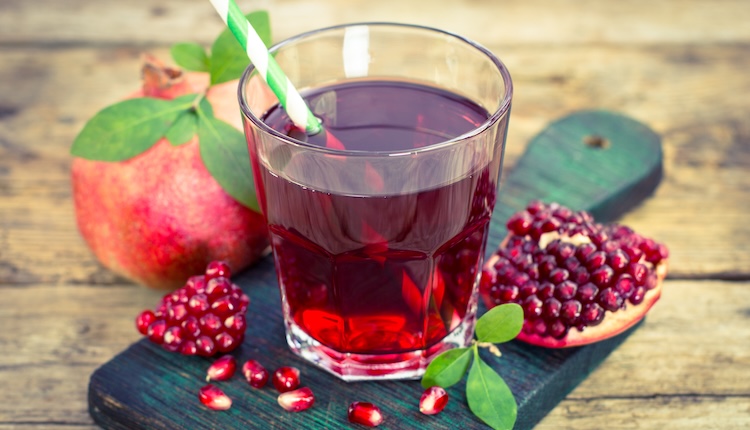
Take pomegranate juice. Maybe you’ve read that it contains cortisol-lowering antioxidants and magnesium to help you sleep. That may be true, but pomegranate juice is also full of natural sugars and acids, which can trigger sleep disruptions, especially for people with diabetes or acid reflux.
Below, we tackle the big question: Will drinking pomegranate juice actually help you sleep? And if so, how much should you drink, and when?
Nutritional breakdown of pomegranate juice
Pomegranate juice is packed with polyphenols, plant compounds that act as powerful antioxidants. It’s especially rich in vitamin C and punicalagin, a compound with anti-inflammatory and antioxidant benefits.
Researchers have found that a serving of pomegranate juice contains:
- About 15% of the daily recommended dietary allowance (RDA) of potassium
- About 5% of the daily RDA of magnesium
- About 10% of the daily RDA of copper
That said, pomegranate juice also contains a significant amount of natural sugar. Here’s what you’ll find in an 8-ounce bottle of POM Wonderful pomegranate juice:
- Calories: 160 calories
- Carbohydrates: 39 grams (g), 34 of which are sugar
- Fat: 1 g
- Protein: 0 g
- Potassium: 550 milligrams (mg)
- Calcium: 20 mg
Can antioxidants reduce oxidative stress and inflammation for better rest?
The antioxidants in pomegranate juice help your body fight off oxidative stress and inflammation, both of which can occur with sleep loss. Fighting oxidative stress may also help regulate cortisol, a hormone that can disrupt sleep if levels get too high at night.
That doesn’t mean a glass of pomegranate juice will erase the effects of a night of poor sleep.
“There is not enough evidence to suggest that the antioxidant properties can help with sleep,” says registered dietitian Leah Murnane.
Ultimately, any antioxidant-rich foods, from pomegranate juice to matcha and maca root, support your body’s ability to heal, calm inflammation, and fight disease. Pomegranate juice’s other nutrients, like potassium and vitamin C, also help with overall health.
Will the melatonin in pomegranate juice promote sleep?
“Pomegranate juice does contain small traces of melatonin,” says Murnane. However, she also says there isn’t much evidence that the amount of melatonin is enough to impact your sleep quality significantly.
Melatonin is a hormone produced naturally by the body. Because it plays a key role in regulating sleep, melatonin is commonly taken as supplement to fight jet lag. But research is mixed on how pomegranate impacts melatonin.
- One study of 58 people undergoing treatment for drug addiction found that pomegranate juice consumption increased melatonin concentration in the body.
- Another study with 28 participants found that drinking pomegranate juice can lower melatonin.
- Another study with 20 participants found that pomegranate juice helped regulate melatonin by boosting tryptophan metabolism, an amino acid that contributes to melatonin synthesis.
Ultimately, there’s not enough evidence to say that drinking pomegranate juice will impact your melatonin significantly enough to improve, disrupt, or regulate sleep.
Potential drawbacks: sugar, acid, and fluid before bedtime
While some evidence suggests pomegranate can support restful sleep, it’s also important to know the drawbacks. Namely, pomegranate juice is a sugary, acidic liquid.
- Sugar. If you have diabetes or are otherwise sensitive to sugar, a blood sugar spike from drinking juice may impact your sleep. Some research even suggests that a sudden increase in blood sugar before bedtime can increase the risk of insomnia.
- Acid. Pomegranate juice is acidic, which can trigger or exacerbate acid reflux. Many experts recommend avoiding eating or drinking for a couple of hours before bed to reduce the risk of heartburn.
- Liquid. Murnane warns that too much liquid in the evening can disrupt sleep by causing nighttime bathroom trips.
Best time and portion size to drink pomegranate juice for sleep
Because of its carbohydrate content, Murnane says pomegranate juice is more likely to give you a boost of energy than relax you.
Given that, the best time to drink pomegranate juice for sleep might actually be early in the day or during a mid-afternoon slump.
That way, you can enjoy the benefits of pomegranate juice’s antioxidants and melatonin support without causing an evening spike in blood sugar.
“A portion size of about 4–8 ounces would be ideal,” Murnane says.
She also suggests pairing it with a protein source—a handful of nuts, a scoop of cottage cheese, or a piece of lean meat—for a well-balanced snack.
If you prefer to sip your pomegranate juice in the evening, aim for a small serving—4–6 ounces, possibly diluted with water—two hours before bed.
The Bottom line: benefits vs. drawbacks of pomegranate juice for sleep
Pomegranate juice is packed with nutrients that support overall health: antioxidants, Vitamin C, magnesium, potassium, and more.
It may help you meet your recommended daily intake of vitamins and minerals, but it won’t directly benefit your evening routine.
“There is not strong enough evidence to say that pomegranate juice will help improve your sleep,” Murnane emphasizes.
In fact, drinking pomegranate juice too close to bedtime could be detrimental for some people, especially if you’re sensitive to sugar or acidic foods and drinks.
Ultimately, pomegranate juice is a wonderful energizing drink, but because of its sugar content, it’s best drunk in moderation—and a couple of hours before sleeping.
FAQs
Does pomegranate juice contain melatonin?
In small amounts. Some research suggests that drinking pomegranate juice can slightly increase melatonin, but there’s no evidence that it would boost melatonin enough to improve sleep.
What is the best time to drink pomegranate juice if you want to avoid reflux at night?
If you’re very sensitive to acidic foods and drinks, drink pomegranate juice during the day as a gentle pick-me-up. Otherwise, stop drinking pomegranate juice about two hours before bed to avoid heartburn or reflux.
Can the sugar in pomegranate juice disrupt sleep?
Possibly. The natural sugars in pomegranate juice may spike your blood sugar, giving you a burst of energy that makes it harder to wind down and fall asleep.

Leandra Beabout
Leandra Beabout is a freelance health and travel writer based between Indiana and India. Her work has been published in Reader’s Digest, Greatist, The Guardian, CNN Travel, Lonely Planet, and more. She was previously an English teacher and daily newspaper reporter.
Related Stories
-
Can You Wear Compression Socks to Sleep?
-
 Are There Fleas in Your Bed? Here’s How to Tell (and What to Do About It)
-
 Can Ube Help You Sleep Better?
Table of Contents
