
 What Is a Bolster Pillow?
Key Takeaways:
- Pillows turn yellow primarily due to oxidation, a chemical reaction that occurs when sweat, facial sebum, saliva, and skincare product residues react with oxygen over time.
- While mild yellowing is common and often washable, older pillows that harbor stubborn odors, dampness, or allergens like dust mites and mold should be replaced to avoid skin and respiratory irritation.
- Preventive care—such as using a zippered pillow protector, washing pillowcases weekly, and deep-cleaning washable pillows every 3 to 6 months—keeps pillows fresh and extends their lifespan.
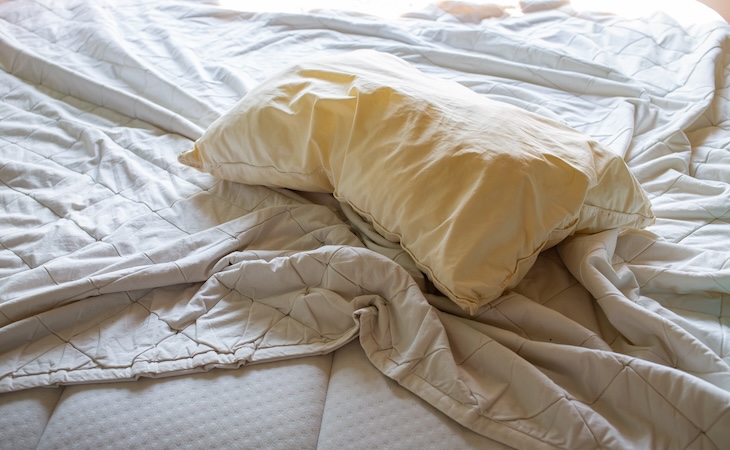
It’s happened to all of us: You pull off your pillowcase and notice the entire pillow has taken on a shabby shade of buttercream. Or perhaps worse, your pillow is covered in dingy yellow splotches.
The good news is that a pillow turning yellow doesn’t automatically mean you need to throw it out.
“The discoloration itself doesn’t necessarily mean the pillow is dirty or harmful,” says Roya Javid, MD, a board-certified dermatologist and founder of Coastal Valley Dermatology in Carmel, Calif.
So, why do pillows turn yellow? And how do you know when a yellow pillow just needs a good wash or should be replaced?
In this article, we answer those common questions, plus offer tips on how to deep-clean a yellow pillow.
The primary culprits behind yellow pillow stains
Pillows can turn yellow or develop yellow stains for several reasons.
Javid says the most common culprits are sweat, natural skin oils, saliva, and buildup from skin care or hair care products. In many cases, yellow pillow stains develop from a combination of those factors.
It’s not always as simple as a beige foundation seeping through the pillowcase and onto your pillow. Substances that aren’t naturally yellow—like sweat or saliva—can turn yellow because they react with oxygen over time.
Since it takes time for sweat and sebum to turn yellow, you might want to take a closer look at an instantaneous yellow stain. Yellow stains that appear overnight could be caused by a spill of something yellow (e.g., urine, bile, or yellow-hued lotion) coming into direct contact with the pillow.
Oxidation science: why moisture and air cause fabric yellowing
From pillow covers to wedding dresses, white fabrics often turn yellow because of oxidation. Meaning, the natural oils or fluids that accumulate on the fabric react with oxygen over time.
Here’s how it happens: Your body sweat, facial oil (sebum), saliva, and skincare products slowly leave a residue on fabric. Even if you can’t see that residue initially, the molecules (especially proteins and lipids) start to turn yellow when they react with the oxygen in the air.
Research shows that a combination of sebum and sweat causes the most yellowing, followed by sweat alone, then sebum alone.
Sometimes even a clean pillow can yellow when left in storage. Fabric yellowing with age can happen due to light exposure, gasses in the air, fiber degradation, and exposure to environmental contaminants such as cardboard, paper, or plastic.
Are yellow stains dangerous?
“I care less about the color of the pillow than about what’s building up in the fabric and filling,” Javid says. “If the pillow is cleaned regularly, and free of mold or bad smells, a little yellowing isn’t necessarily a reason to throw it away.”
That said, if the yellowed pillow smells musty, has been kept in a humid or damp place, or can’t be cleaned, she says it’s time to replace it.
Because pillows turn yellow over time, it’s generally safe to assume that a yellow pillow is an older pillow. That increases the risk of it harboring dust mites, allergens, bacteria, and even mold.
Some specific risks to consider:
- Skin irritation. Javid says residue or sweat on the pillow can worsen acne or eczema.
- Breathing issues. “Older pillows can collect dust mites and, especially once they get damp, mold,” Javid warns. Both can exacerbate breathing problems in people with asthma or who are already suffering from allergies.
- Long-term exposure to irritants and allergens. While a musty yellow pillow is unlikely to cause an immediate health problem, Javid says long-term exposure could become an issue, especially for kids or anyone with allergies or sensitive skin.
Deep-cleaning protocol: how to whiten and sanitize yellow pillows
First, not all pillows are washable. Some memory foam pillows and pillows with shredded latex cores can’t be put in a washing machine. Check the tag or manufacturer’s label before attempting to launder a pillow.
- For simple machine-washing (laundry-safe pillows only): Use a deep-water washer setting and gentle enzymatic detergent. Warm or hot water will sanitize most, but always check the manufacturer’s instructions before laundering.
- For scrubbing stains: Make a paste of hot water and baking soda, then use a toothbrush to scrub the pillow’s surface gently. Let the paste sit for about half an hour, then dab vinegar on the paste to neutralize the baking soda. Next, wash according to the manufacturer’s instructions.
- For whitening and sanitizing: Soak the pillow in equal parts hot water and hydrogen peroxide. This will whiten the pillow, but it’s best not to use hydrogen peroxide often since it can degrade the pillow fibers.
Pro tip: Check out our guide on how to wash a pillow based on the pillow type.
Prevention strategies: protectors, washing frequency, and night routines
First, Javid recommends always using a washable, zippered pillow protector to “cut down on the sweat, oil and other debris that reaches the pillow.”
While some pillowcases already have zippers, adding a designated pillow protector beneath the pillowcase adds an extra layer of protection. If you’re prone to sweating or sleep with damp hair, opt for a waterproof pillow protector. Otherwise, a water-resistant, breathable pillow protector will do.
Here are a few more tips to keep your pillows bright and hygienic:
- Cleanse your face before bed. If you use a lot of hair care products, consider washing your face in the evening or wearing a sleep bonnet.
- Wash pillowcases at least weekly. Javid suggests washing them 2–3 times per week if you’re prone to acne or oily skin, or if you don’t wash your face and hair at night.
- Clean pillows every 3–6 months. Always follow the manufacturer’s care instructions.
And if your pillow turns completely yellow? Javis says she has always taken that as a sign to replace the pillow, but adds, “That was my own standard as a mom, not a medical must.”
When is it time to throw away a yellowed pillow?
It’s probably time to replace a yellowed pillow if it has a noticeable smell, stubborn stains, persistent dampness or visible soiling.
She also recommends checking your pillow and bedding for musty smells or stains if you notice new irritation or allergies.
“Think of your pillowcase as an extension of your skincare routine,” Javid says. “You wouldn’t keep using an unwashed towel against your face, so give your pillowcase the same attention.”
Time for a new pillow? Shop these Saatva options
This carousel automatically rotates through products. Use the pause button to stop rotation, or use the slide dots to navigate.
Latex Pillow
Shop Now
A core of shredded natural latex, wrapped in a breathable organic cotton cover. Plush and responsive for the perfect head and neck support.

Cloud Memory Foam Pillow
Shop Now
A specially engineered blend of shredded gel-infused memory foam and buoyant latex foam offers best-in-class comfort and support.
Graphite Memory Foam Pillow
Shop Now
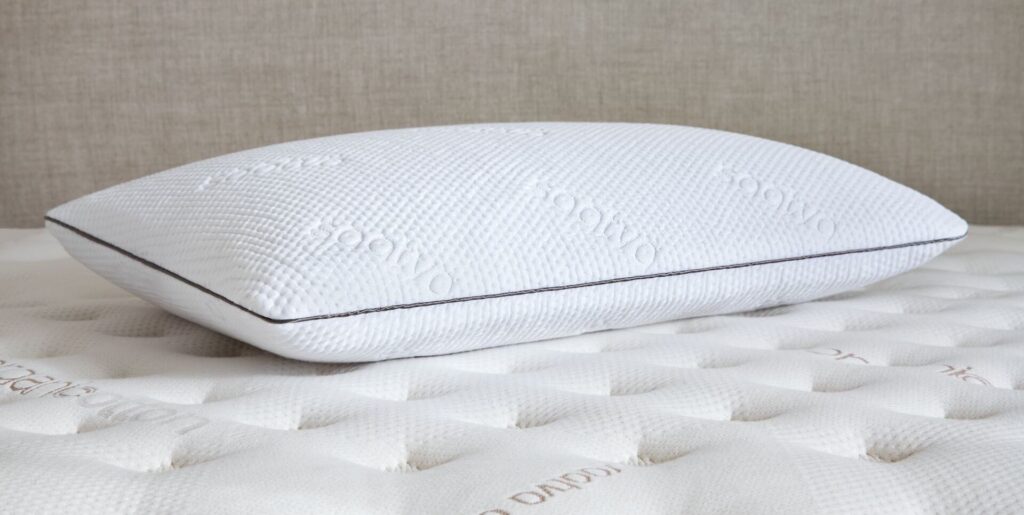
Breathable shredded memory foam and latex core provides contouring support, while advanced graphite technology draws heat away.

Down Alternative Pillow
Shop Now
Made from two types of hypoallergenic down alternative fibers, wrapped in 100% organic cotton. Soft, plush, and breathable for cool, comfortable sleep.
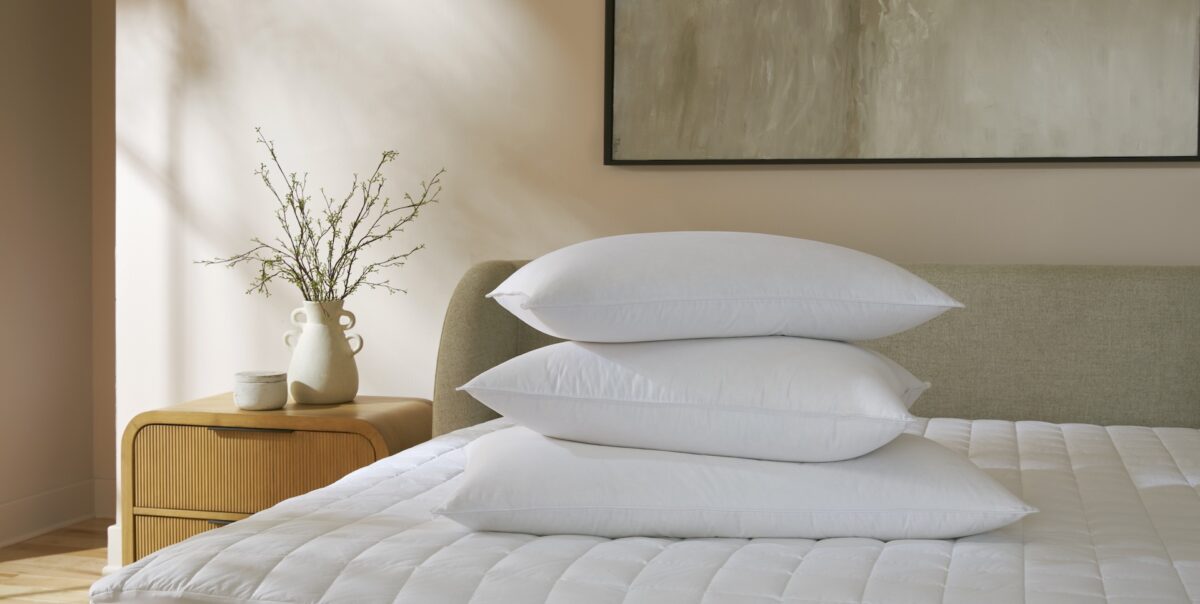
Down Chamber Pillow
Shop Now
Luxurious down pillow that’s designed to match the feel of high-end down pillows that cost three times more. Available in two different loft fill heights designed to keep you in perfect alignment no matter how you sleep.

Organic Quilted Pillow
Shop Now
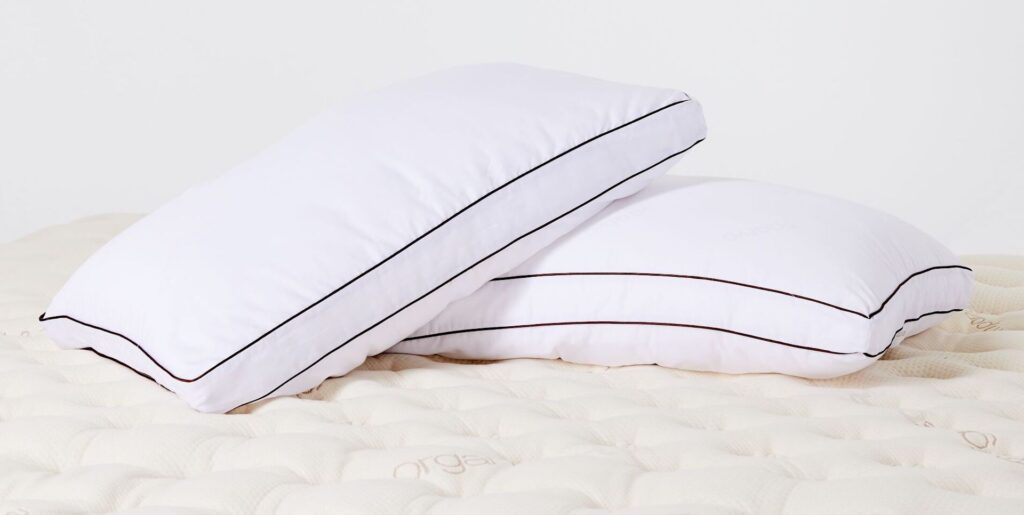
Perfect for eco-conscious sleepers who expect nothing less, our all-organic pillow combines weightless support of natural latex with the superb breathability and comfort of cotton and wool.
FAQs
Can yellow pillows still be safe to sleep on?
Yes, a yellowed pillow doesn’t always mean it’s unsafe. Sometimes yellow stains indicate that sweat, natural oils, or skin care products have built up, and the pillow needs to be washed.
How often should you wash pillows to prevent yellowing?
Javid recommends washing pillows every 3–6 months. But some yellowing is age-related and might not come out in the wash.
When should a yellowed pillow be replaced instead of cleaned?
Replace a yellowed pillow if it has a lingering musty odor, persistent dampness, or deep stains even after being deep-cleaned.
Replace your pillows at Saatva
Is your current pillow too far gone? Saatva offers a variety of pillows to suit every sleep style, including latex, memory foam, down, and down alternative. Check out our pillow selection to find your perfect match.

Leandra Beabout
Leandra Beabout is a freelance health and travel writer based between Indiana and India. Her work has been published in Reader’s Digest, Greatist, The Guardian, CNN Travel, Lonely Planet, and more. She was previously an English teacher and daily newspaper reporter.
Related Stories
-
What Is a Bolster Pillow?
-
 Fleece vs. Flannel: What’s the Difference?
-
 Mattress Protector Sizes and Dimensions (With Chart)
Table of Contents
