
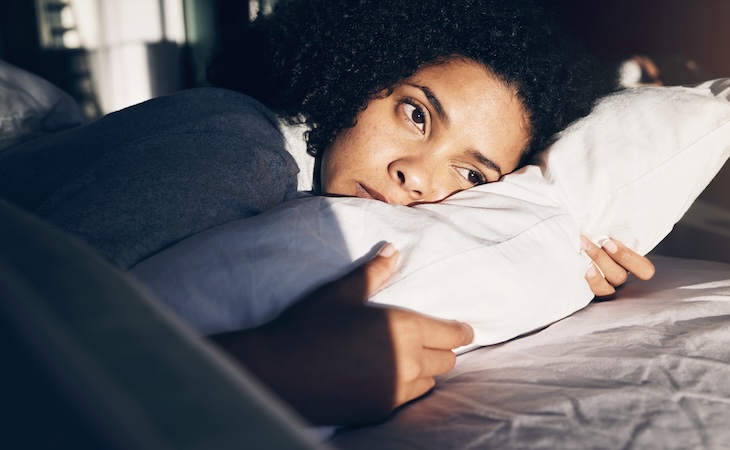

Stress and anxiety are disrupting Americans’ sleep: Nearly three-fourths report stress-related sleep loss and over two-thirds cite anxiety. A 2024 survey found one in five struggle with insomnia, driven by finances, health, work, and family. To sleep better in 2026, cut screens, journal, follow routines, exercise, limit naps, and optimize your bedroom.
If you’re like most Americans, chances are stress and anxiety have negatively impacted your sleep over the past few years.
Nearly three-fourths of adults report disrupted sleep due to stress, and over two-thirds lose sleep because of anxiety, according to the American Academy of Sleep Medicine.
Additionally, in our 2024 survey of 2,000 Americans, one in five reported struggled with insomnia, with finances, health, work, and family among the top sleep disruptors.
Lack of sleep can cause more anxiety, leading to a vicious cycle where stress keeps you awake, and sleepless nights amplify that stress even further.
While every day is a chance to break bad habits and build better ones, the new year offers a natural reset, especially when it comes to sleep.
Here’s how to calm your worries and start 2026 on a well-rested note.
How to prioritize sleep in 2026
1. Eliminate screen time before bed
According to the National Sleep Foundation, “89% of adults and 75% of children have at least one electronic device in their bedrooms.”
While having electronics in the bedroom is common, screen time on any device can disrupt your body’s circadian rhythm. Screens emit blue light, which suppresses melatonin, the hormone your brain produces to help you sleep.
Multiple studies have also linked social media use to a higher risk of depression and anxiety—two major contributors to insomnia. Cutting back on screen time can improve overall well-being by easing the mental load that often carries over from day to night.
It’s a good idea to power down your phone an hour or two before bed—no matter how much you want to do one last scroll of the news or check in on your social media accounts.
Of course, breaking this habit is easier said than done, but it’s possible. Here are two helpful tips for making your bedroom technology-free:
- Create a designated space for electronics: Keep mobile devices away from your bed to reduce temptation.
- Set consistent “screen off” times: Pick a regular time to turn off devices, so your body adjusts to winding down before sleep.
This simple routine can help promote a regular sleep schedule. And if you’re unsure what to do once screens are off, try reading a book instead!
2. Journal before bed
Writing your thoughts down on paper can drastically improve the quality of your sleep, say therapists.
“The benefits of morning writing include clarity, focus, and intention-setting while writing before you turn in can bring useful closure to the day and enhance the likelihood of falling asleep faster and staying asleep longer,” says Kathleen Adams, licensed professional counselor, founder/director of the Denver-based Center for Journal Therapy, and author of Journal to the Self.
When you manage stress positively, drifting off becomes much easier. Try jotting down your frustrations and worries, things that made you happy, or even a to-do list to prep for the next day. This way, your mind isn’t cluttered with racing thoughts when it’s time to get some shuteye.
3. Make a bedtime routine
We’ve said it before, and we’ll say it again: Build a routine and stick to it! A bedtime routine is essential for teaching your body when to sleep and when to wake up—and the best part is that you get to make it your own.
When creating a routine, the options are endless. You might brush your teeth, take a warm bath, read for 20 minutes, or sip some tea. Just remember, building a routine shouldn’t feel like a chore, and as long as you incorporate activities that help you wind down, it should be something you look forward to every night.
Once your routine is in place, consistency is key, both in the activities you do and when you do them.
“Each part of your routine should be done around the same time so your body is on a rhythm that will encourage sleep,” says Scott Drapeau, a licensed massage therapist specializing in treatment and athletic massage. This is especially important when it’s finally time to get into bed.
4. Exercise
We’ve all heard the phrase, “new year, new me.” But beyond helping you feel good and reach your health goals, exercising can also contribute to a good night’s sleep.
Just 20 minutes of movement a day can do wonders for the quality of your sleep. Studies show exercise can alleviate sleep-related problems by reducing the time it takes you to fall asleep once you turn the lights out.
Not sure where to start? We’ve put together a list of in-bed exercises and yoga poses designed to help you unwind and get a better night’s snooze.
5. Say goodbye to long naps and all-nighters
Getting seven to nine hours of sleep can be challenging for many reasons, especially if you skimp on rest at night or sleep during the day. On busy days, you might even be tempted to pull all-nighters or take long naps to keep yourself going.
But regardless of how helpful naps and all-nighters can be in moments of tiredness or stress, they’re quick fixes that can wreak havoc on your sleep cycle and be difficult to bounce back from.
Instead of long naps, try a short 10- to 20-minute power nap to feel refreshed without interfering with your bedtime.
All-nighters, on the other hand, don’t exactly have an alternative besides better time management to prevent them. But you can learn how to better prep, execute, and recover from them.
6. Create your ideal sleep environment
Your sleep environment plays a huge role in getting quality rest. Light, temperature, noise, and clutter can all disrupt sleep—sometimes even just one of these factors is enough to keep you tossing and turning.
Here are three tips to create your ideal sleep space:
- Block out the light. Light signals your body that it’s daytime, making it harder to fall asleep. Opt for blackout curtains or a sleep mask so you don’t peep a single light in your bedroom.
- Keep it cool. Lower your thermostat to somewhere between 60-67 degrees Fahrenheit, the ideal temperature range for optimal sleep. You can also use cooling sheets to help prevent waking up with night sweats.
- Declutter your bedroom. A bed piled with laundry, textbooks, or extra bedding can make it harder to move around and relax. Clear your bed and bedside surfaces of anything unrelated to sleep. Not only will you have space to move and stretch, but a tidy room also helps calm your mind, making it easier to drift off.
Improve your sleep in 2026 with these Saatva products
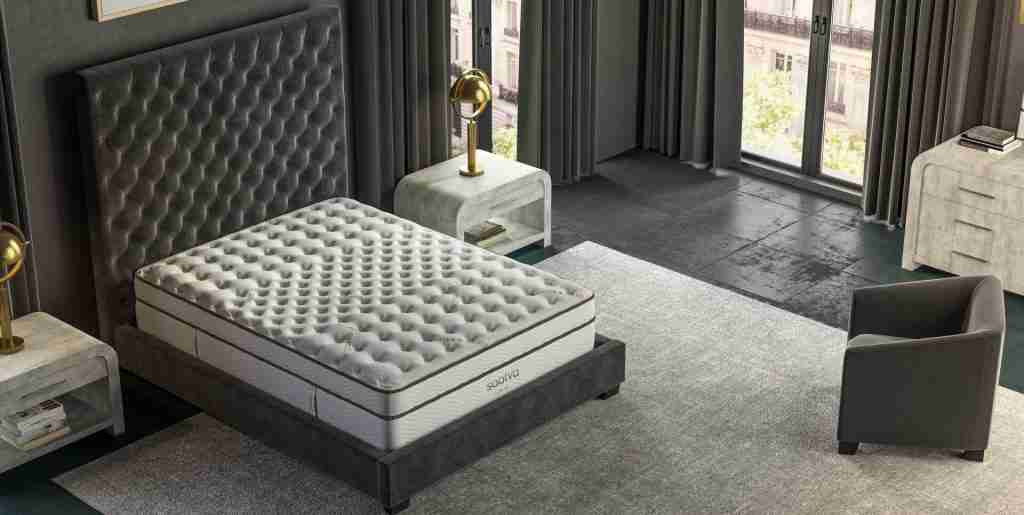
Saatva Classic Innerspring Mattress
Our flagship luxury mattress is expertly engineered with coil-on-coil construction for durability, a layer of memory foam for enhanced back support, and a cushiony Euro pillow top for extra comfort.

Percale Sheet Set
Pamper yourself in deluxe comfort with our breathable percale sheets. They’re made from the world’s best long-staple cotton that gets softer and better with every wash.
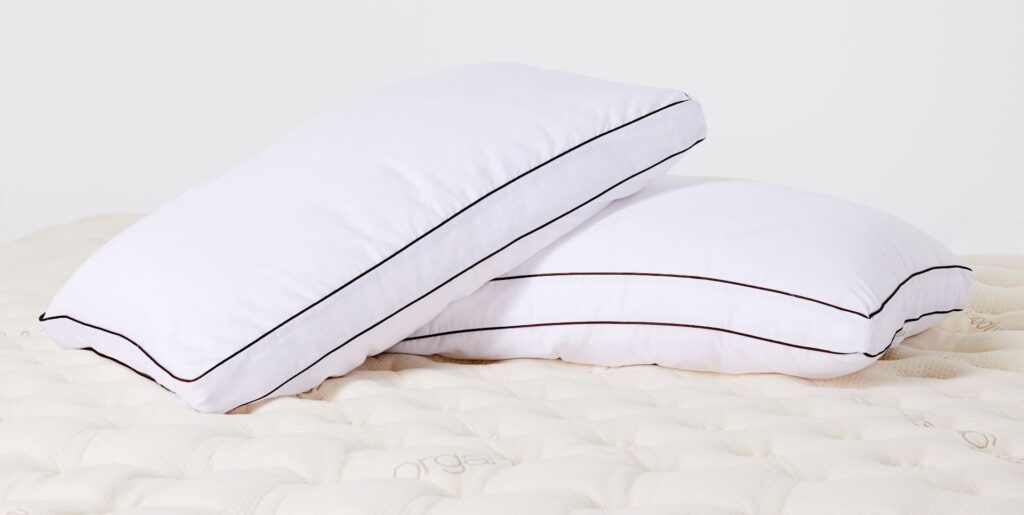
Latex Pillow
A core of shredded natural latex, wrapped in a breathable organic cotton cover. Plush and responsive for the perfect head and neck support.
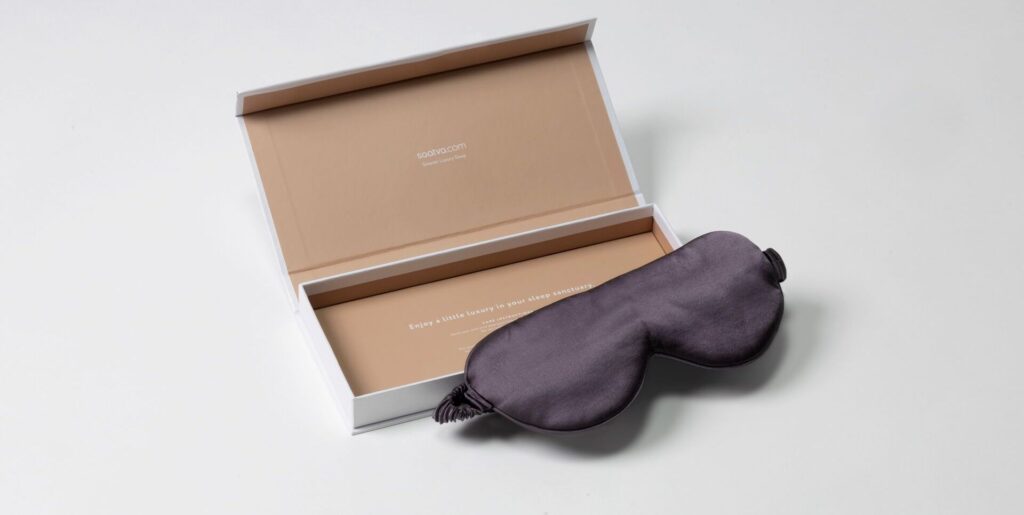
Silk Eye Mask
Drift into dreamland with our sleep-enhancing eye mask made of the finest quality mulberry silk. It keeps light out for more uninterrupted sleep—no matter where you are.
FAQs
Why should you make sleep a priority?
You should make sleep a priority because a lack of sleep can increase anxiety, leading to a vicious cycle where your stress causes you to be unable to sleep and your inability to sleep causes more stress.
Should I prioritize sleep or studying?
To perform well at school, your job, and other responsibilities, you should prioritize sleep to feel well-rested and energized. Otherwise, your tiredness may negatively influence your focus, concentration, memory, problem-solving, and judgment.
What are the best hours to fall asleep?
Research says the best time to sleep for optimal heart health is between 10 pm and 10:59 pm.
How do you make sleep a priority?
You can make sleep a priority by practicing self-care activities that prepare you for bedtime. Exercise to get tired for bed, journal to clear your mind, and create a bedtime routine that slowly relaxes you throughout the evening so you’re ready to drift off by the time you hit the sheets.
Get better sleep with Saatva in 2026
Sleep is an investment, and the right mattress can also go a long way toward encouraging better sleep. If it’s been a minute since you’ve replaced your mattress, consider getting a new one this year.
We offer a variety of high-quality mattresses and bedding tailored to your sleep needs so you can get better shuteye. Plus, all of our mattresses come with a 365-night home trial so you can try one out before deciding if it’s right for you.
Take our online mattress quiz to find out which of our mattresses is your perfect match.

Gricelda Torres
Gricelda Torres is a content marketing and communications coordinator at Saatva. She was born and raised in Houston and is a first-generation graduate of the University of Texas at Austin where she studied rhetoric and writing, and journalism. When she’s not working, she enjoys spending time with friends and family, crocheting, and traveling.
Related Stories

Table of Contents
