
 Best Labor Day Mattress Sales of 2026
Mattresses, Mattress Types & Sizes
August 12, 2020, updated on October 15, 2026
Memory Foam vs. Hybrid: What’s the Difference?
Written by Lauren Krouse

Key Takeaways
Hybrids keep you sleeping on the bed with buoyant coil support (ideal for heavier sleepers and changing positions), while memory foam lets you sink in for body-hugging joint relief.
Hybrids run cooler thanks to airflow through the coils, whereas memory foam traps more heat but absorbs movement better to prevent disturbing a partner.
Both last 10–15 years when high quality, but hybrids carry a higher price tag due to their complex coil build, while memory foam offers a broader range of budget options.
The options in this comparison are not universally better or worse; they are designed for different sleep preferences. The most useful way to compare them is by construction, firmness or feel, pressure relief, responsiveness, temperature regulation, motion isolation, durability, trial and warranty terms, and price. Use those criteria to match the product to your sleep position, body type, comfort preference, and budget rather than choosing on a single feature alone.
If you’re looking for a comfy bed you can sink into, then a memory foam mattress is likely at the top of your list of potential contenders for a mattress upgrade. However, a hybrid mattress is a super-comfortable option too and can give you the best of both worlds between memory foam and innerspring.
So, what exactly is the difference between hybrid and memory foam mattresses, and why might you consider one over the other? Read on to learn everything you need to know about hybrid vs. memory foam mattresses.
What is a hybrid mattress?
A hybrid mattress is a cross between two mattress types—typically innerspring and some sort of foam—for a best of both worlds” sleeping experience, says Bill Fish, certified sleep science coach and general manager of SleepFoundation.org. Take good care of a high-quality hybrid mattress, and it should last upwards of 10 years.

What it’s made of
Hybrid mattresses feature multiple layers for support and comfort. Here, what you’ll find between the covers:
- Steel coil support system. A base support of steel coils creates that classic springy mattress feel. Premier hybrid mattresses include individually-wrapped coils, which move on their own to reduce motion transfer.
- Atop that, a comfort layer made of body-hugging memory foam, polyfoam, or responsive latex. Some hybrid mattresses also have cooling materials that are slow to conduct heat like gel or graphite copper to help keep your bed cool.
- A pillow top made of foam, cotton, wool, or other fill provides a final layer of cushioning.
| Criteria | Hybrid Mattress | Memory Foam Mattress |
|---|---|---|
| Feel / Support | Buoyant “floating” feel on the surface; combines springy steel coils with a cushioning top layer. Ideal for all sleeping positions and heavier bodies (230 lbs+). | Body-hugging contour that lets you sleep in the mattress. Adapts to your curves and relieves pressure points, though heavier sleepers may sink too much. |
| Cooling | Excellent. Airflow circulates naturally between the steel coils, and many feature high-tech cooling gels, graphite, or copper. | Moderate to Poor. Traditional foam can trap body heat, though newer models incorporate cooling gel or open-cell designs to mitigate this. |
| Motion Isolation | Good. Individually-wrapped steel coils topped with foam minimize motion transfer well, though they retain slight bounce. | Excellent. Spring-free, dense foam absorbs kinetic energy almost entirely, making it ideal for restless sleepers and couples. |
| Durability | High. Built with a robust steel coil support core, typically lasting upwards of 10 years with proper care. | Moderate to High. Premium high-density foam lasts 10 to 15 years, while lower-quality “bed-in-a-box” options lose their shape much sooner. |
| Price / Terms | Higher Price Point. Because they combine complex layers (coils + advanced foams/latex), they tend to cost more than traditional foam models. | Variable. Varies widely from budget bed-in-a-box options to luxury foam lines, generally offering cheaper entry-level pricing than hybrids. |
Benefits of a hybrid mattress
Hybrid mattresses are well-known for offering the best of many other mattress types. Here’s what that means for you:
- Sleeping on a hybrid mattress feels like floating on the surface. Thanks to a combination of memory foam or latex and springs, hybrid mattresses are buoyant for comfort you won’t sink into.
- Hybrid mattresses reduce motion transfer. Individually-wrapped coils topped with foam lower the chances that you and your partner will wake each other up when you shift in position or get out of bed at night.
- They keep you cool. With high-tech cooling materials plus airflow between coils, hybrid mattresses make for a cool sleeping experience, unlike some other traditional memory foam mattresses.
- They’re comfortable for any sleeping position. With varying options for firmness and comfort layers, hybrid mattresses can easily suit your personal preferences.
- They’re soft on pressure points. The additional comfort layers of a hybrid mattress can help distribute your body weight and take the strain off of your back, shoulders, and hips.
Drawbacks of a hybrid mattress
Since hybrid mattresses offer features that you love in innerspring and memory foam mattresses alike, they do tend to be more expensive than more traditional mattress options.
Choosing the right hybrid mattress for your sleep position
A hybrid mattress can make a great fit for any sleeping position. Here’s how to choose the right firmness level for the way you sleep:
- If you’re a side sleeper, try a softer hybrid mattress to relieve pressure on your back, shoulders, and hips.
- If you’re a back sleeper, go for a medium-firm hybrid mattress to cushion your pressure points but maintain the natural curvature of your spine.
- If you’re a stomach sleeper, consider a firm hybrid mattress to help keep your posture in check.
- If you tend to switch up sleeping positions or you and your partner have different sleeping positions, a medium-firm hybrid mattress can support your back and reduce pressure on your joints at the same time.
- If you have a heavier body (think: 230 pounds and up), a firm hybrid mattress can provide the combination of support and cushioning you need.
What is a memory foam mattress?
Memory foam mattresses are mattresses that hug” your body thanks to layers of foam that soften in response to heat and pressure. You can expect a premium memory foam mattress to last for 10 to 15 years, though lower-quality bed in a box varieties typically won’t keep their shape quite that long.

A look at the layers inside the Contour5 memory foam mattress
What it’s made of
These days, most memory foam mattresses have these key components in common:
- The support core is typically made of polyurethane foam, a high-density foam strong enough to support your body weight.
- A transition foam connects this base to one or more top comfort layers made of memory foam (viscoelastic foam or eco-friendly foam with plant-based ingredients) which may also contain cooling gel since traditional memory foam mattresses tend to sleep hot).
Benefits of a memory foam mattress
Celebrated for their body-hugging comfort, memory foam mattresses come with plenty of pros:
- Memory foam mattresses relieve aches and pains. A memory foam mattress could help ease joint pain by conforming to your body to reduce strain on pressure points.
- They support a healthy spine. Memory foam hugs the natural curvature of your back, which helps keep your spine in neutral alignment (which is key to avoid or reduce back pain as you sleep).
- They won’t wake you up. Spring-free memory foam mattresses make for minimal motion transfer, which means you and your partner can blissfully sleep through each other’s middle-of-night bathroom trips.
- They can help relieve your allergies. Where dust can build up inside innerspring mattresses, memory foam mattresses are denser and may be a better choice if you have allergies.
Drawbacks of a memory foam mattress
There are a few cons that come with memory foam mattresses. Here, a few to consider:
- Memory foam mattresses sleep hot. When memory foam conforms to your body, it can also trap body heat. If you tend to run hot at night, look for a memory foam mattress with built-in cooling materials or opt for an innerspring or hybrid mattress instead.
- They could sink in under heavy bodies. If you weigh 200 pounds or more, you’re best off with a mattress that can provide the support you need with a base of steel coils as opposed to an all-foam mattress.
- There’s no spring. If you like the bounciness of a more traditional mattress (a perk for some couples when they have sex), know that you won’t get that responsiveness with a memory foam mattress.
Choosing the right memory foam mattress for your sleep position
A memory foam mattress can support a variety of sleeping styles. Here’s what to look for depending on yours:
- If you’re a side sleeper, choose a softer memory foam mattress to cushion your shoulders and hips and keep your spine in proper alignment.
- If you’re a back sleeper, you need support to avoid sinking in but cushioning to ease pressure on your shoulders and spine, so opt for a medium firm memory foam mattress.
- If you’re a stomach sleeper, memory foam may not offer the firmness you need to maintain a neutral spine. In general, the firmer, the better.
While stomach sleepers and heavier bodies generally benefit from more supportive mattresses, memory foam mattresses are a popular choice for couples, as they decrease motion transfer (making them an ideal pick if your partner has a different sleep schedule or moves around a lot while they snooze).
FAQs
Which option is better for most sleepers?
There is no universal winner. Compare feel, support, pressure relief, cooling, responsiveness, durability, and price, then choose the option that best matches your sleep position and comfort preferences.
What should I compare before buying?
Check current construction, firmness or feel, materials, motion isolation, edge support, temperature regulation, trial period, warranty, delivery, returns, and total price. Confirm all specs directly from the manufacturer before purchasing.
Our best hybrid and memory foam mattresses
This carousel automatically rotates through products. Use the pause button to stop rotation, or use the slide dots to navigate.
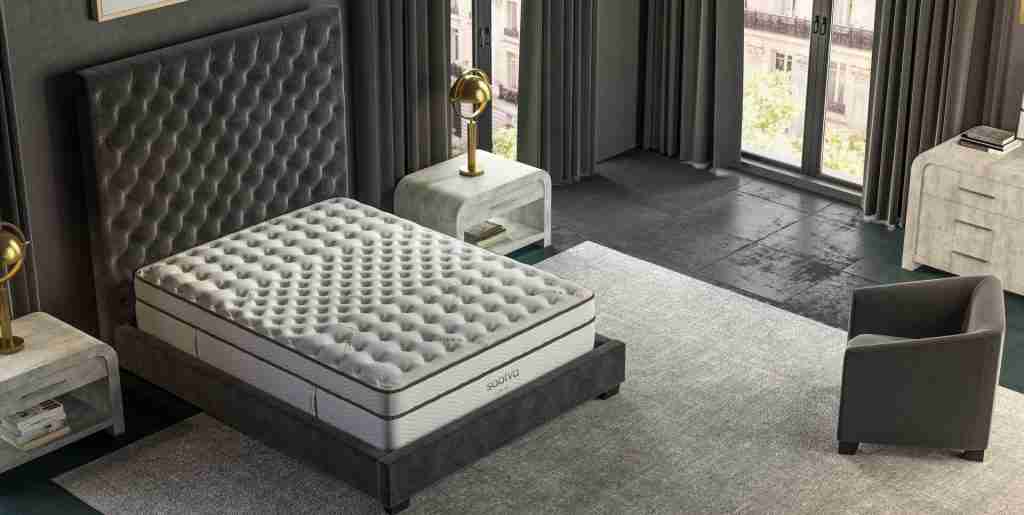
Saatva Classic Innerspring Mattress
Shop Now
Our flagship luxury mattress is expertly engineered with coil-on-coil construction for durability, a layer of memory foam for enhanced back support, and a cushiony Euro pillow top for extra comfort.

Memory Foam Hybrid Mattress
Shop Now
This memory foam hybrid mattress features the perfect balance of body-contouring and responsive feel. Enjoy the innovative cooling system, which prevents overheating.

Latex Hybrid Mattress
Shop Now
This hybrid mattress combines the pressure-free support of natural latex with the classic innerspring feel. Handcrafted with pure materials for the ultimate in cool and healthy sleep.

Contour5 Mattress
Shop Now
Luxurious body-hugging feel and pressure relief with 3” of ultra-premium, high-density 5-lb memory foam.
The difference between a hybrid and memory foam mattress
When it comes to the differences between memory foam vs. hybrid mattresses, the main one is how they feel. While hybrids offer the springiness of innerspring mattresses with a comfy upper layer, memory foam mattresses tend to give the feeling of sleeping “in the mattress rather than on” it, says Fish. All in all, though, both hybrids and memory foam mattresses make for a smart choice if you’re looking to keep motion transfer to a minimum, he says.
Which is right for you?
1. The hot sleeper or combination sleeper
Choose a hybrid mattress if: You tend to overheat at night or frequently change positions while sleeping.
- Why: The breathable steel coil core promotes continuous airflow, keeping you cooler than traditional all-foam beds. Additionally, the responsive, springy surface makes it effortless to shift from your side to your back without feeling stuck.
2. The restless couple or light sleeper
Choose a memory foam mattress if: You share a bed with a partner who tosses and turns or operates on a different sleep schedule.
- Why: All-foam construction excels at dampening movement. The dense foam absorbs kinetic energy so you won’t wake up every time your partner gets up or shifts position during the night.
3. The back / joint pain sufferer
Choose a memory foam mattress if: You deal with chronic joint pain, aching hips, or lower back discomfort.
- Why: Memory foam softens in response to your body weight and heat, conforming precisely to your contours. This deep pressure relief cradles your shoulders and hips while keeping your spine in neutral alignment.
4. The heavier sleeper or stomach sleeper
Choose a hybrid mattress if: You need extra structural support to keep your body properly aligned.
- Why: Stomach sleepers and individuals weighing 200–230+ pounds require a firmer, highly supportive base to prevent excessive sinkage. A hybrid’s steel coils provide the sturdy foundation needed to maintain healthy posture throughout the night.
Still not sure which mattress type is right for you? We’ve rounded up our guides on the differences between popular types of mattresses to help make your decision easier:

Lauren Krouse
Lauren Krouse is a freelance writer who covers health, domestic violence, and self-advocacy. Her work appears in Women’s Health, Men’s Health, Prevention, Self, HuffPost, and elsewhere. When she’s not writing, you can find her trying to meditate more, weightlifting, or walking in the woods with her partner and black lab. Visit her website.
Related Stories
-
Best Labor Day Mattress Sales of 2026
-
 Best July 4th Mattress Sales of 2026
-
 Best Memorial Day Mattress Sales of 2026
Table of Contents
